.webp)
Stay up-to-date with the latest news and trends in wafer and semiconductor technologies.
*Blogs are for educational and informational purposes ONLY
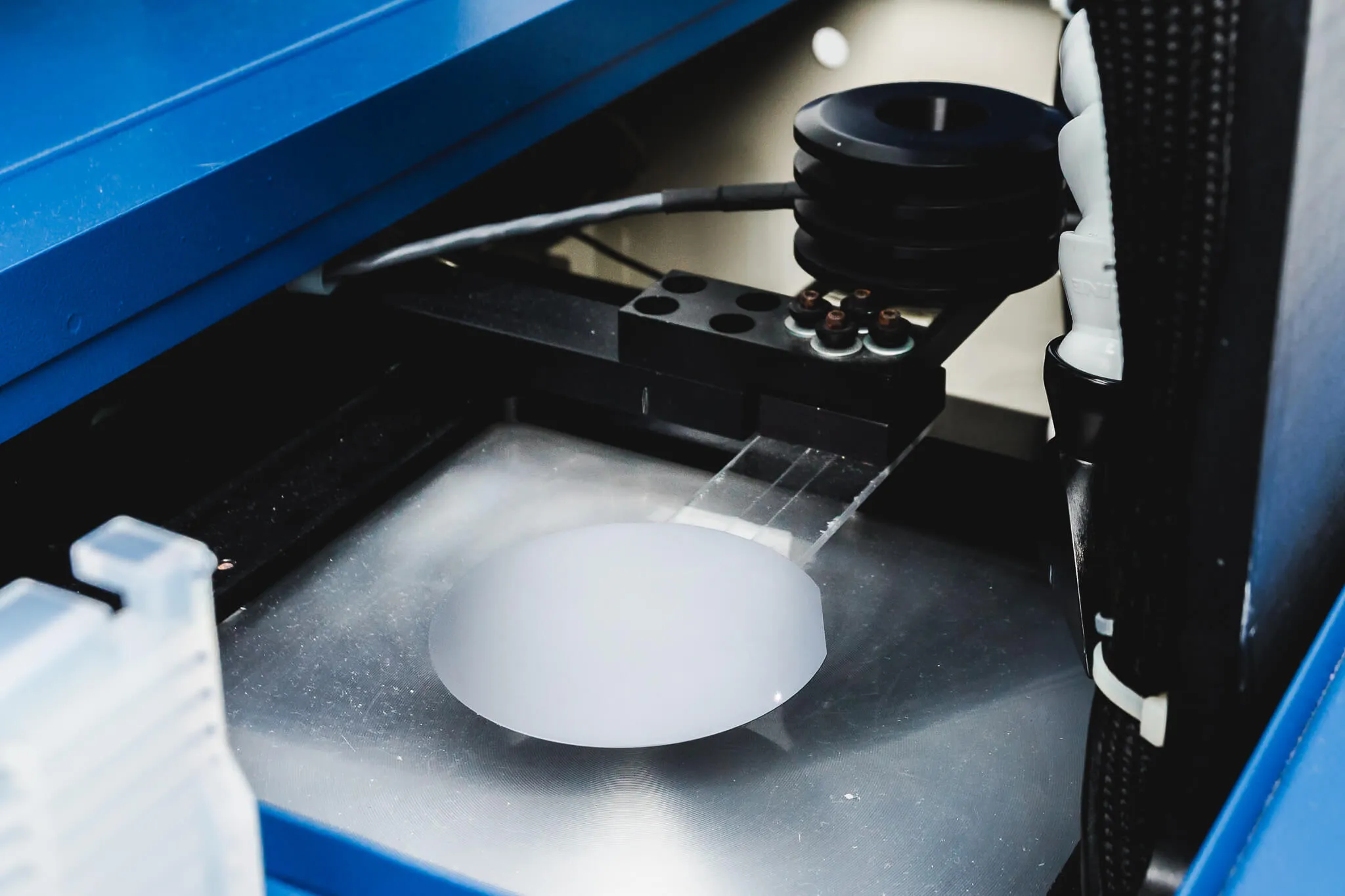
Laser marking is a fundamental process in wafer manufacturing, which is why it must be conducted with strict quality control. Here are some of the measures we take.
Read More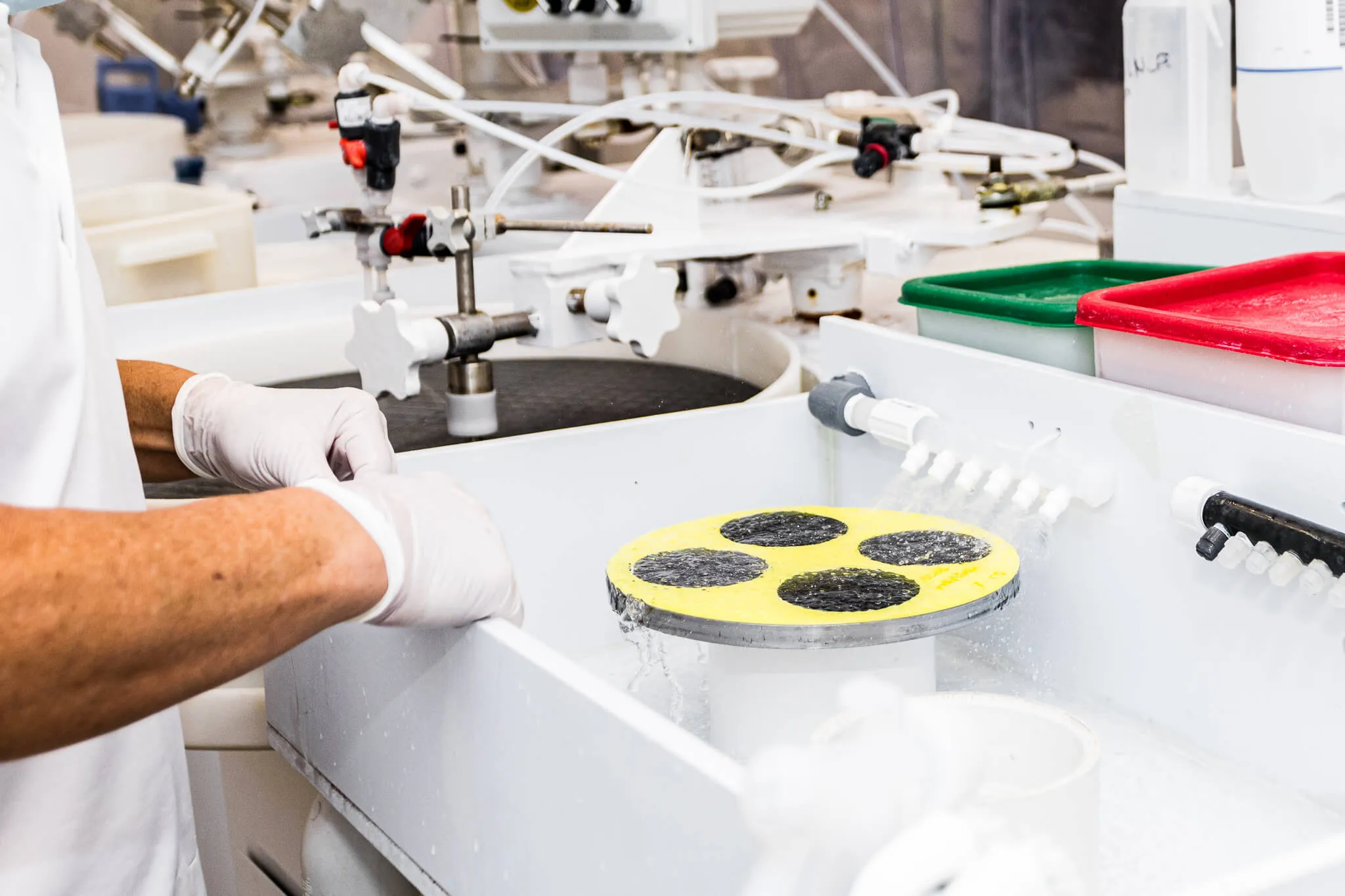
The unique properties of an InP wafer have made it key for our society, but they also pose several benefits for the future. Let’s explore some of these future applications.
Read More
Wafers are tools driving innovation in various fields, including medicine. Here, we’ll explain how a FZ wafer can change the field of medicine for the better.
Read More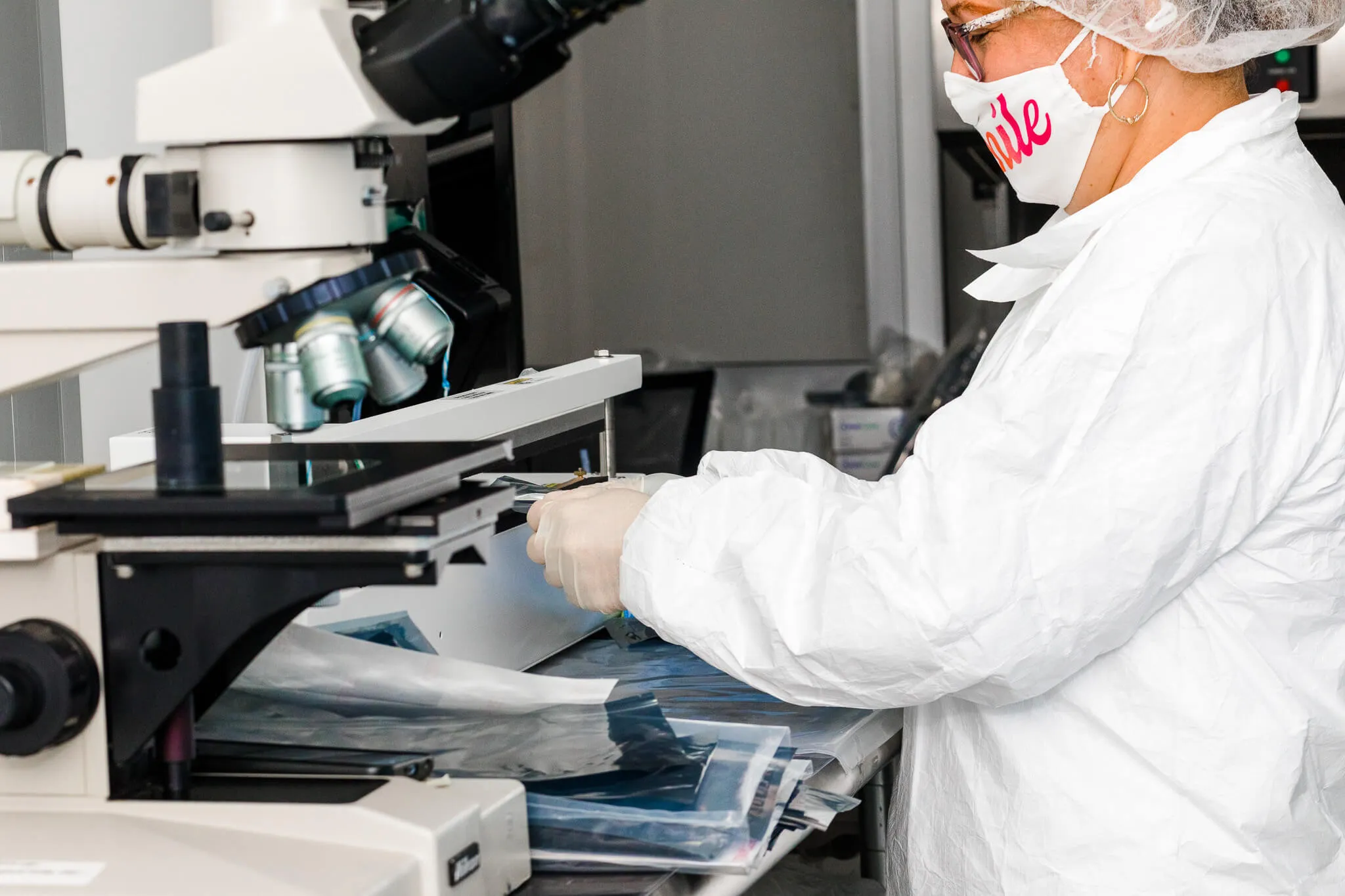
Ultra flat wafers are very delicate products, so they require specific quality control measures during fabrication. Let’s review some of them.
Read More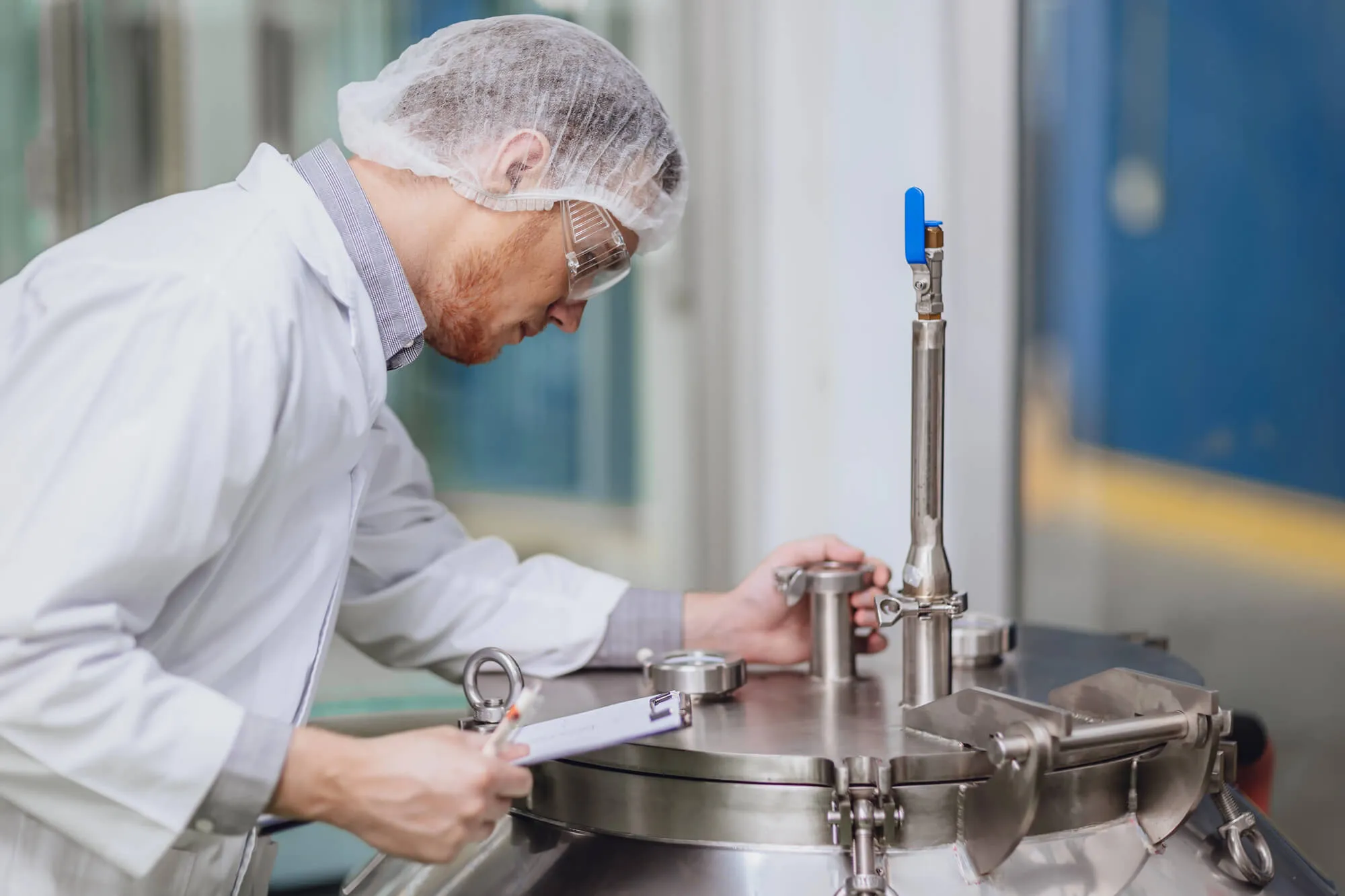
Maintaining a controlled environment with minimal contamination is key during silicon wafer processing, which is why we follow the clean room protocol.
Read More
Ion implantation is a crucial step silicon wafer manufacturers use to ensure wafer doping is conducted precisely. Here are some of its other benefits.
Read More
Transistors made with a GaAs wafer, like MESFET and HEMT, offer unique properties ideal for high-frequency and optoelectronic applications.
Read More
Transistors with an SI wafer and semiconductors are two concepts used frequently in electronics, but they are different. Let’s go over them.
Read More
Ultra flat wafers are the backbone of some of the most innovative technologies we know today. Here, we’ll explore 10 of them, from phones to drones and more!
Read More
Offering high-polished wafers is key for silicon wafer suppliers. Because of that, we monitor new polishing techniques. Let's explore one of them.
Read More