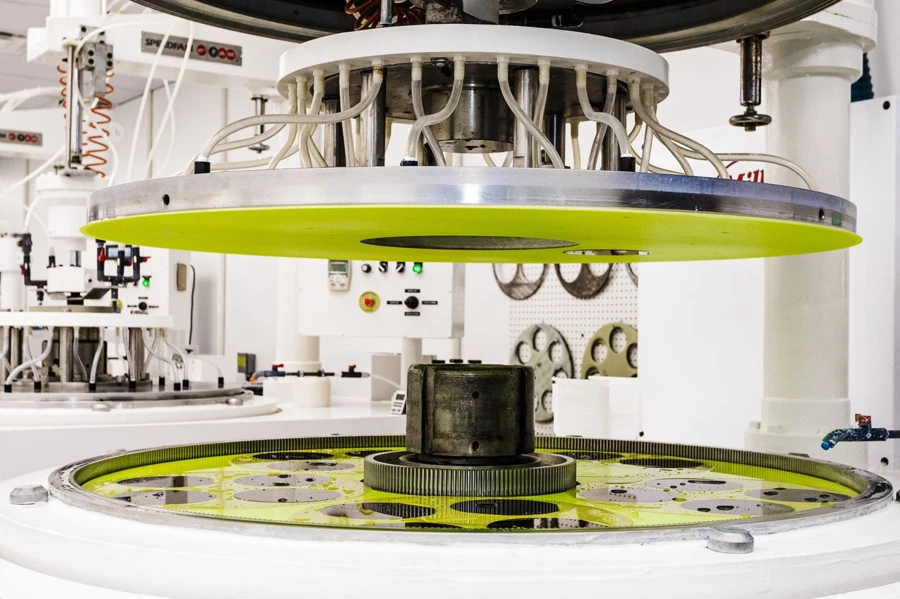
As semiconductor technology continues to advance, manufacturers are looking for ways to improve efficiency while maintaining strict quality standards. One of the most significant developments in recent years is the growing use of automation across production facilities. In silicon wafer manufacturing, automated systems help support greater consistency, faster inspections, and more reliable production processes that meet the demands of modern applications.
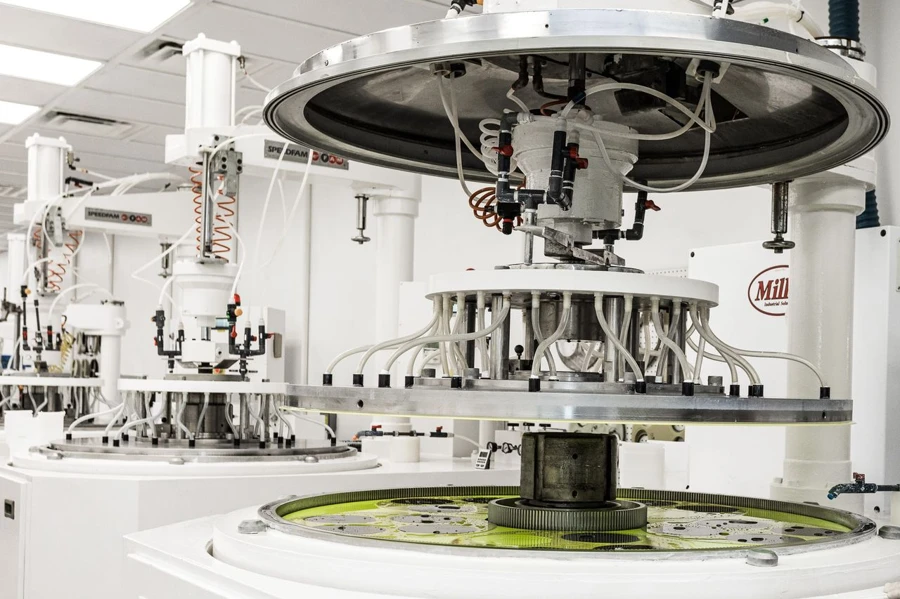
Automation allows manufacturers to perform repetitive tasks with greater accuracy and consistency than many manual processes. Equipment can continuously monitor operating conditions, helping teams maintain stable production environments throughout multiple fabrication stages.
By reducing variability, manufacturers can improve workflow efficiency while minimizing interruptions. This contributes to smoother operations and helps maintain production schedules more effectively.
Modern production equipment can collect and analyze information in real time. This capability allows operators to identify potential issues early and make adjustments before they affect larger portions of a production run. Faster response times help support more predictable outcomes and improved operational control.
Quality control remains one of the most important aspects of semiconductor production. Automated inspection technologies help manufacturers evaluate wafer characteristics with exceptional precision. These systems can detect small irregularities that might otherwise be difficult to identify.
Benefits commonly associated with automated production include:
Automation helps reduce the likelihood of errors by standardizing many critical processes. Consistent handling and monitoring can contribute to lower defect rates and more reliable manufacturing outcomes over time.
One of the greatest advantages of automation is the ability to generate useful production data. Manufacturers can review trends, identify recurring challenges, and evaluate opportunities for process optimization. These insights support informed decision-making and ongoing operational improvements.
As semiconductor devices become increasingly sophisticated, manufacturing requirements continue to evolve. Automated systems provide the flexibility needed to adapt to changing expectations while maintaining quality and efficiency goals. This helps manufacturers remain competitive in a rapidly advancing industry.
Automation is not simply about increasing production speed. It is also about improving accuracy, strengthening quality control efforts, and supporting long-term reliability throughout the manufacturing process. As technology continues to advance, automated solutions will likely remain a key component of modern wafer production strategies.
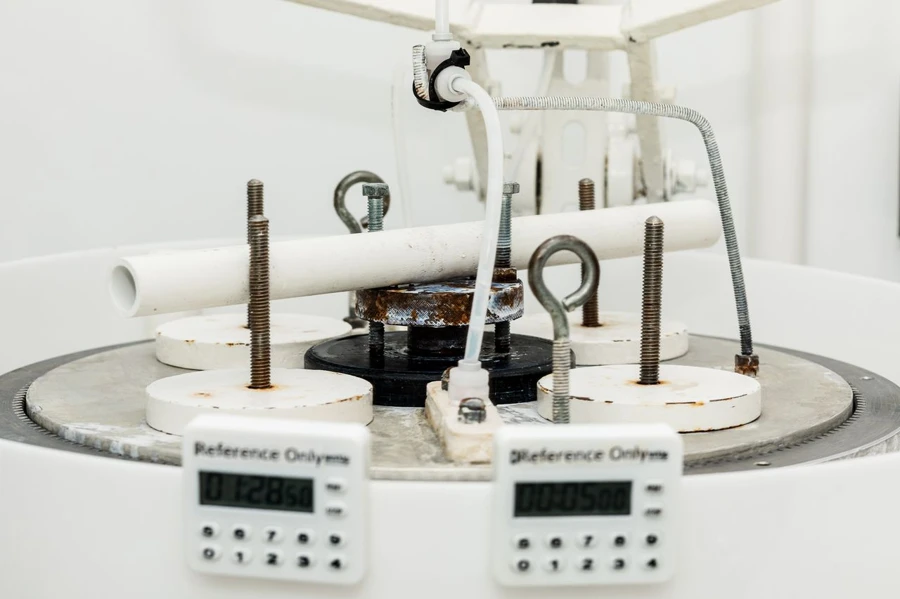
If you are interested in understanding how automation influences production quality, process control, and manufacturing efficiency, contact us today to schedule a consultation or speak with our team about silicon wafer manufacturing and its role in supporting advanced semiconductor applications.
Wafer World provides quality-focused wafer solutions and industry knowledge to support research, development, and manufacturing objectives.