
Sustainability is becoming a defining priority across the semiconductor supply chain. In silicon wafer manufacturing, environmental responsibility now goes hand in hand with precision, performance, and long-term reliability.
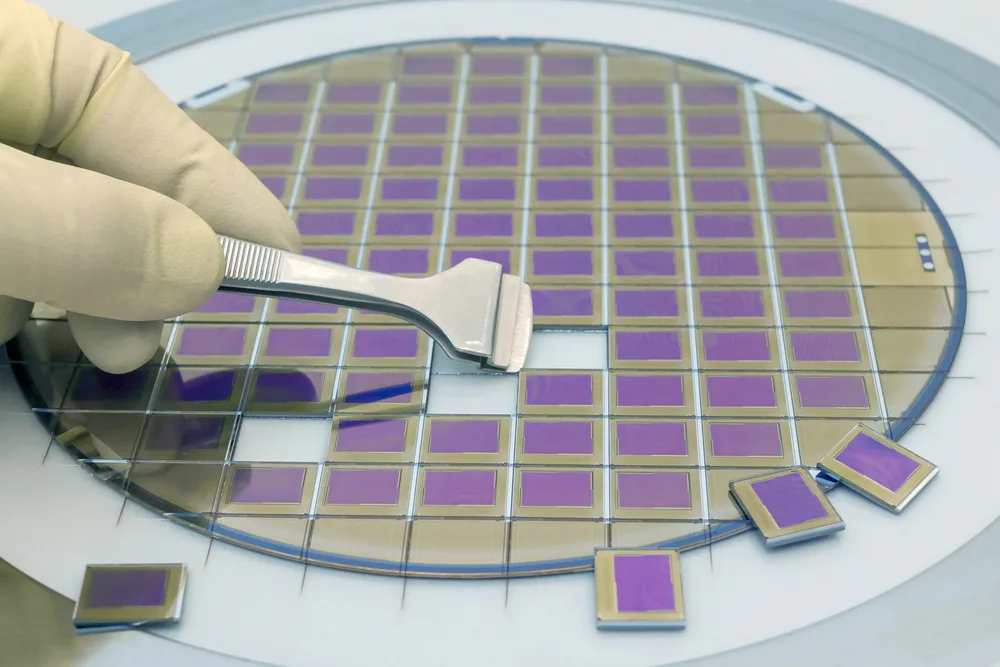
Producing high-purity wafers requires energy-intensive steps such as crystal growth, slicing, lapping, etching, and polishing. Improving furnace efficiency, optimizing cleanroom operations, and reducing water consumption are practical ways for manufacturers to lower their environmental impact.
Technologies such as Czochralski and Float Zone processing continue to evolve with better thermal management and reduced material waste. These refinements help silicon wafer manufacturing facilities maintain tight electrical specifications while using energy more efficiently.
Reclaim wafers play an important role in reducing overall material waste. Instead of discarding test or monitor wafers, reclaim processes remove surface films and restore wafer surfaces for reuse in equipment testing or research.
By integrating reclaim services into silicon wafer manufacturing workflows, companies can extend wafer lifecycles and reduce raw material demand. Recycling silicon scrap and recovering usable materials further support a circular production model.
Sustainability does not replace performance expectations. Silicon wafer manufacturing must still meet strict standards for flatness, resistivity, thickness variation, and surface integrity. Responsible practices focus on maintaining these metrics while improving environmental outcomes.
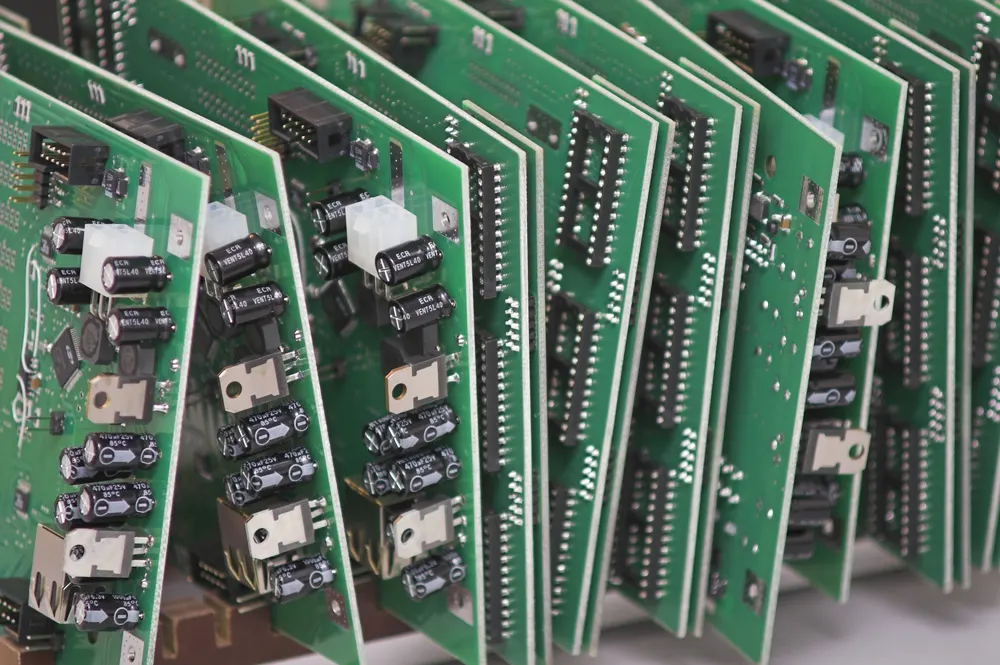
Choosing a supplier committed to sustainable silicon wafer manufacturing helps align technical requirements with environmental goals.
At Wafer World, we support research and production teams with wafer solutions that prioritize quality, reclaim options, and responsible sourcing. Connect with us to discuss your project needs.