.webp)
As technology continues to evolve, semiconductor materials play an increasingly important role in shaping the performance of modern electronic devices. Among the materials gaining widespread attention is GaN, which offers electrical and physical characteristics that make it well-suited for many advanced applications. While traditional silicon remains essential across the semiconductor industry, newer technologies often require materials capable of operating at higher power levels, higher temperatures, and faster switching speeds. Understanding the advantages of these advanced materials helps engineers, researchers, and manufacturers select solutions that best match evolving performance requirements.
Semiconductor materials differ in their electrical properties, influencing how efficiently they conduct electricity and perform under demanding conditions. Wide-bandgap materials are designed to withstand higher voltages, operate at elevated temperatures, and support higher power densities than conventional semiconductor materials. These characteristics make them valuable in applications where efficiency and reliability are critical.
The growing demand for electric vehicles, renewable energy systems, industrial automation, and advanced communication technologies continues driving interest in semiconductor materials capable of supporting increasingly complex operating environments. Materials with improved electrical performance help designers overcome many of the limitations associated with traditional semiconductor technologies.
One of the most significant advantages of advanced semiconductor materials is their ability to improve power conversion efficiency. Reduced electrical losses allow electronic systems to convert energy more effectively while generating less unwanted heat.
High-speed switching allows electronic devices to respond more quickly while minimizing energy loss during operation. This capability improves efficiency in applications such as power supplies, motor drives, and energy conversion systems. Faster switching also supports smaller passive components, allowing engineers to design more compact electronic products without sacrificing performance.
Managing heat remains one of the biggest challenges in electronic system design. Materials that operate efficiently at higher temperatures reduce cooling requirements and improve overall system reliability. Better thermal performance also contributes to longer equipment life by reducing stress on surrounding components during continuous operation.
As industries continue to develop more advanced electronic products, semiconductor materials must keep pace with rising performance expectations. Modern applications often require components capable of delivering high power while maintaining compact designs and dependable operation.
Several industries benefit from these material characteristics:
The ability to improve efficiency while operating under demanding conditions makes advanced semiconductor materials valuable across both established and emerging technologies.
Performance alone is not enough when designing semiconductor devices intended for long-term operation. Reliability remains equally important, particularly in industries where equipment downtime can affect productivity or safety.
Advanced semiconductor materials help improve long-term reliability by reducing heat generation, minimizing electrical losses, and supporting stable operation under challenging environmental conditions. These characteristics enable systems to maintain consistent performance over extended operating periods.
Manufacturers also benefit from materials that allow greater design flexibility. Improved electrical characteristics enable system layouts to be optimized while reducing the size of supporting components, resulting in lighter, more efficient electronic products.
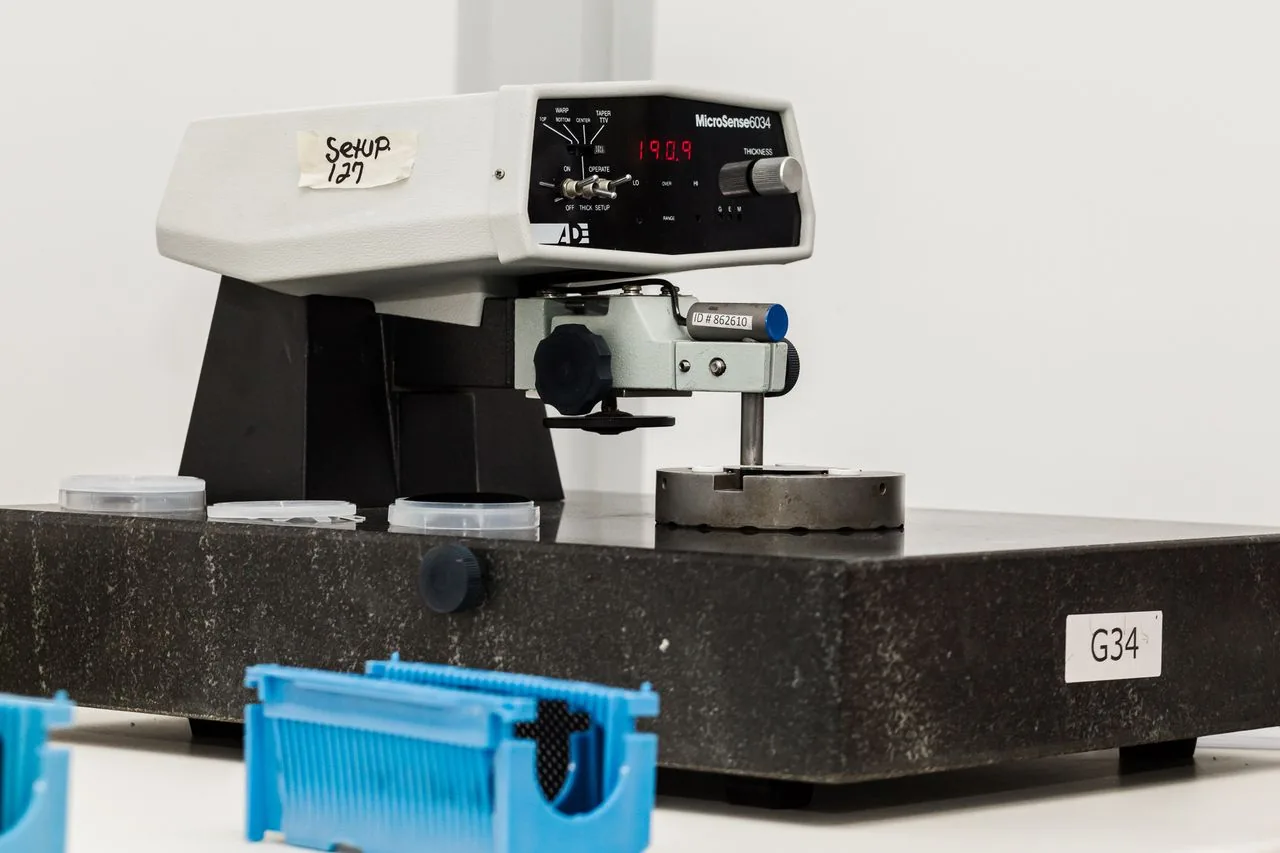
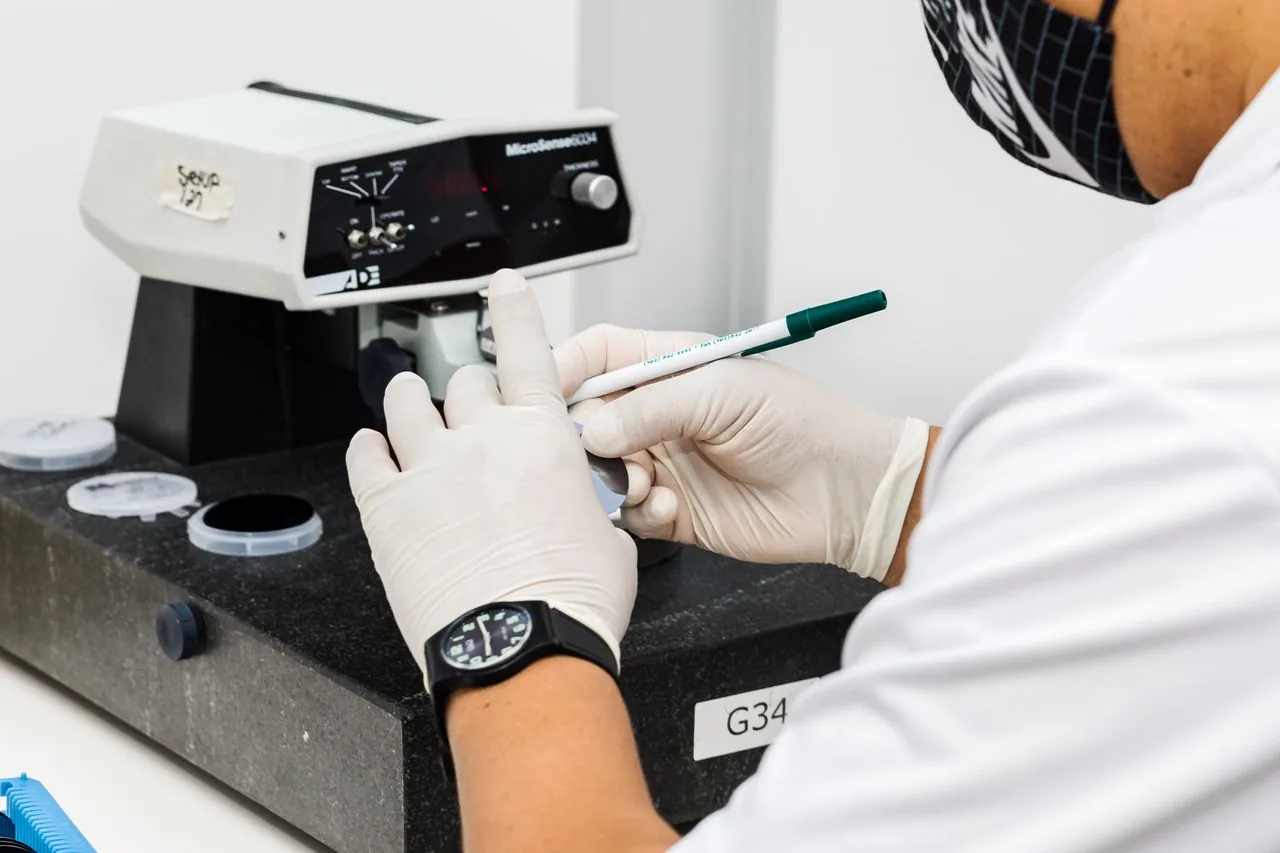
Although advanced semiconductor materials provide numerous performance advantages, successful implementation requires precise manufacturing techniques and comprehensive quality control. Producing high-quality substrates demands careful crystal growth, detailed inspection, and strict process monitoring throughout every stage of production.
As manufacturing technologies continue advancing, production methods become more efficient while supporting greater consistency across semiconductor materials. Ongoing investments in research and process development continue to expand opportunities for broader adoption across commercial and industrial applications.
Industry demand continues to grow as organizations seek technologies that support energy efficiency initiatives and next-generation electronic systems. Improvements in manufacturing have also increased availability for research, product development, and commercial production.
Traditional silicon continues to serve countless applications due to its established manufacturing infrastructure and broad industry acceptance. However, certain high-performance applications require characteristics beyond what conventional silicon can efficiently provide.
Advanced semiconductor materials help address these challenges by offering higher power density, improved thermal management, faster switching performance, and higher operating voltages. Rather than replacing silicon entirely, these materials complement existing technologies by providing additional options for specialized applications where enhanced performance delivers measurable benefits.
Engineers carefully evaluate system requirements before selecting the most appropriate semiconductor material. Factors such as operating environment, efficiency targets, power levels, and long-term reliability all influence material selection during product development.
Research into advanced semiconductor materials continues to expand as industries pursue higher efficiency and more sustainable technologies. Ongoing improvements in manufacturing processes, packaging techniques, and device design are expected to increase performance further while supporting broader commercial adoption.
Future innovations may allow semiconductor materials to serve an even wider range of applications, including transportation, renewable energy, medical technology, communications, and industrial automation. Continued collaboration among manufacturers, researchers, and technology developers will likely accelerate these advancements while creating new opportunities across multiple industries.
They generally offer improved electrical performance, better thermal characteristics, and greater efficiency under demanding operating conditions.
Applications include renewable energy, electric vehicles, industrial automation, telecommunications, aerospace, research, and high-performance electronics.
Efficient heat management improves reliability, reduces cooling requirements, and supports consistent operation over extended periods.
No. Traditional silicon remains important for many applications, while advanced semiconductor materials are often selected for systems requiring higher performance or greater efficiency.
Selecting the right semiconductor material begins with understanding your application's performance requirements and long-term goals. Whether supporting advanced research, power electronics, or next-generation technologies, GaN can deliver significant advantages when paired with the right manufacturing expertise and quality standards. At Wafer World, we are committed to providing high-quality semiconductor materials and knowledgeable support for a wide range of technical applications. Contact us today to learn more about GaN solutions and discuss the right material for your next project.