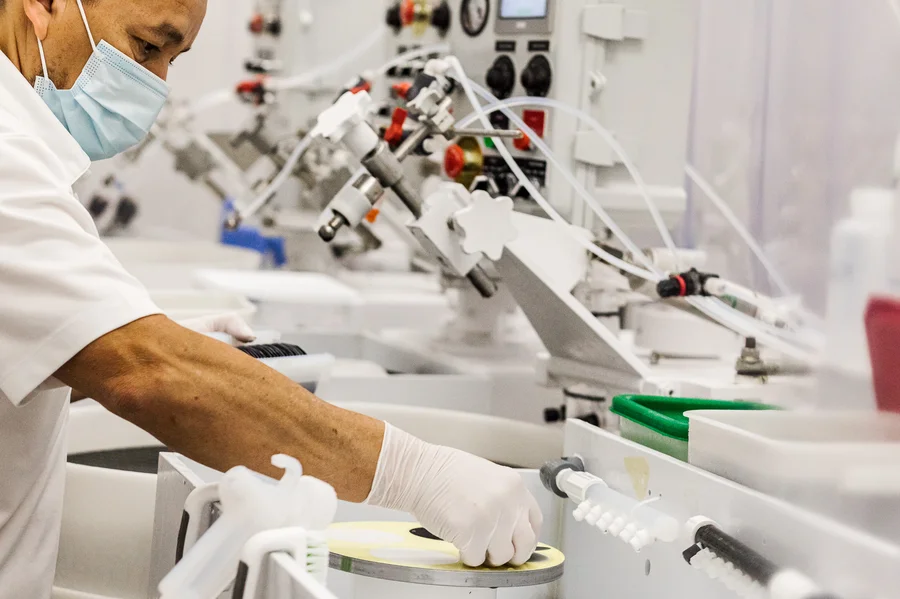
The environmental story of silicon manufacturing usually gets told as a broad list: energy, water, chemicals, waste. That framing is not wrong, but it hides something more useful: the footprint is not evenly distributed across the process. Almost all of it focuses on a single step that occurs before a wafer is ever sliced.
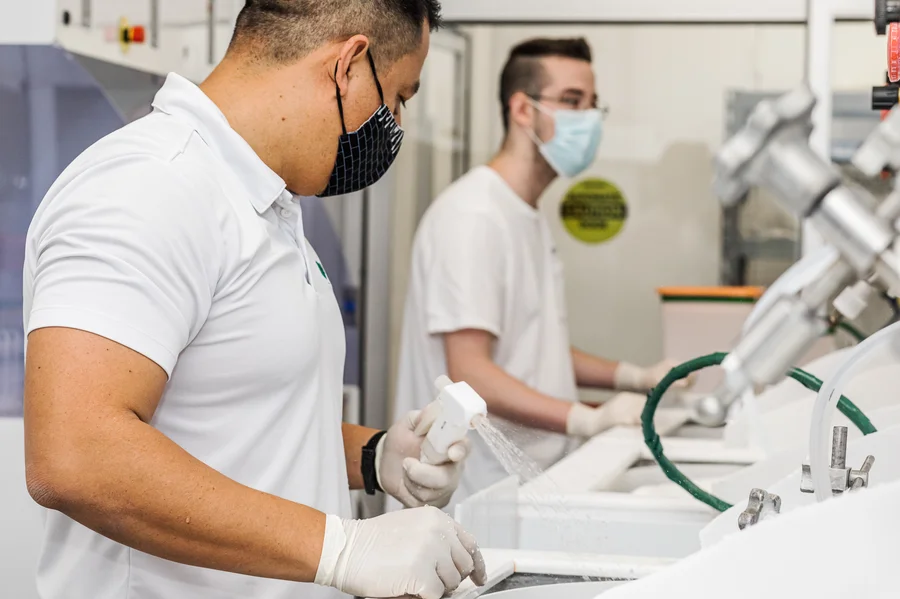
Turning raw quartz into ultra-pure polysilicon is where the energy bill actually piles up. Data compiled by the National Renewable Energy Laboratory puts the energy required to produce metallurgical-grade silicon at roughly 12 kWh per kilogram. In comparison, polysilicon purification requires about 52 kWh of electricity plus another 12 kWh of thermal energy per kilogram, more than triple the electricity used in the step before it.
Crystal growth into an ingot adds another 13-14 kWh per kilogram. Silicon manufacturing's reputation for heavy resource use is really a story about this one purification step more than any other, a point covered in more general terms in our broader look at the industry's environmental landscape.
The reason comes down to physics rather than carelessness. The dominant method, known as the Siemens process, deposits silicon onto heated rods inside a reactor held above 1,000 degrees Celsius for days at a time, and most of that heat simply radiates away as waste.
Newer fluidized bed reactor technology can substantially reduce purification energy by depositing silicon onto suspended granules rather than rods. However, it has not yet fully displaced the older method at scale in silicon manufacturing.
A few things are actually changing on this specific step:
That last point is where a supplier's own practices matter directly. Wafer World's reclaim services extend the life of existing wafers rather than requiring fresh polysilicon for every order, which is a small but real way to reduce demand on the most energy-intensive step in the chain.
We have written before about the broader energy challenges facing this industry, and recent developments continue to shape where the next efficiency gains will come from.
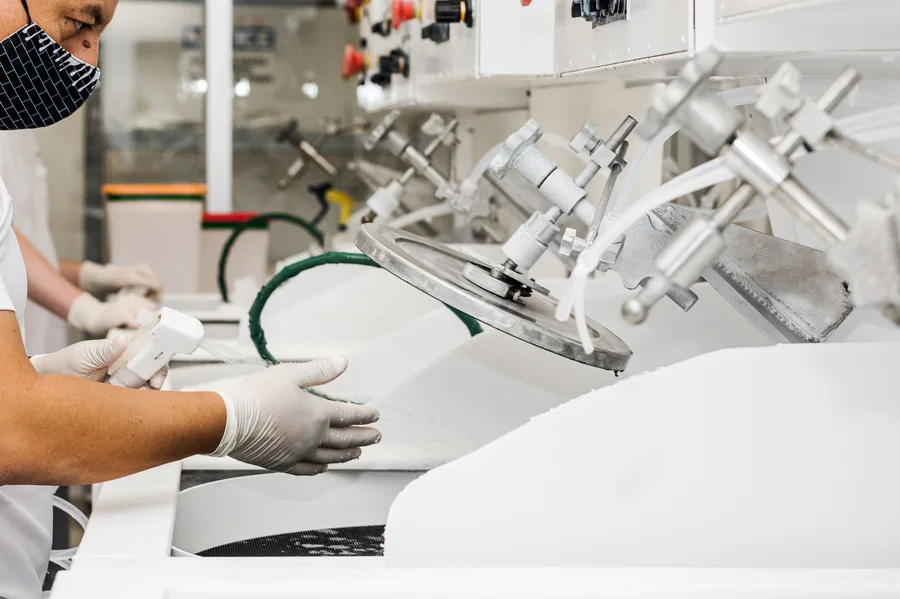
If your project can use reclaimed or test-grade material without compromising results as part of more responsible silicon manufacturing, it is worth asking. Contact us to talk through what fits your specs and your budget, from a company established in 1997.