
Every electronic device relies on materials that determine how efficiently it can perform its intended function. Whether the goal is delivering power, processing signals, or managing heat, the underlying semiconductor material plays a major role in a device's overall behavior. As industries continue pushing for higher efficiency, smaller form factors, and greater reliability, material selection has become increasingly important during the design phase.
Engineers must balance multiple factors when developing electronic systems. Performance expectations continue to rise, while energy consumption targets become more stringent. At the same time, devices are expected to operate in increasingly demanding environments. These challenges place greater emphasis on selecting wafer materials that support long-term performance across varying operating conditions.
Material properties influence voltage handling capabilities, heat management, switching characteristics, durability, and manufacturing considerations. Understanding these characteristics allows designers to make informed decisions that align with specific application requirements.
One of the defining characteristics of silicon carbide is its wide bandgap. In semiconductor design, the bandgap is the energy difference between the valence and conduction bands. A wider bandgap allows devices to operate efficiently at higher temperatures and voltages while maintaining stable performance.
This property provides engineers with greater flexibility when designing power devices. Systems that would otherwise require extensive cooling or larger components may benefit from a material that operates effectively under more demanding electrical conditions.
As industries seek greater efficiency, wide-bandgap semiconductors continue attracting attention for applications that require both performance and reliability.
Breakdown strength measures a material's ability to withstand strong electric fields before electrical failure occurs. A higher breakdown strength can support operation at elevated voltages while helping reduce device size.
For electronics designers, this creates opportunities to develop more compact systems without sacrificing performance. High-voltage devices can often be manufactured with thinner structures, which can lower resistance and improve efficiency.
This characteristic is especially valuable in applications involving power conversion, energy distribution, and transportation technologies, where voltage requirements continue to increase.
Heat management remains one of the most critical challenges in electronics design. Excessive temperatures can reduce performance, shorten component lifespan, and create reliability concerns.
Thermal conductivity describes how effectively a material transfers heat. Strong thermal conductivity allows heat generated during operation to dissipate more efficiently from sensitive areas. This helps maintain stable operating temperatures and can reduce the burden placed on cooling systems.
Effective heat dissipation becomes increasingly important as devices become more compact and power densities continue rising. Engineers often consider thermal behavior early in the design process because it directly affects reliability and long-term performance.
Power electronic devices frequently switch between operating states at extremely high speeds. During these transitions, energy losses occur. Reducing those losses can improve overall system efficiency while lowering heat generation.
Fast switching capabilities help support applications that require precise control of electrical power. Efficient switching contributes to improved performance in systems ranging from industrial equipment to advanced transportation technologies.
As energy efficiency standards continue to evolve worldwide, switching performance remains a major consideration in modern electronics design.

The combination of electrical and thermal characteristics influences how engineers approach system development. Material selection can affect everything from circuit layout to cooling requirements and overall system architecture.
Several practical benefits often guide design decisions:
These advantages can improve performance across a wide range of electronic applications. However, the specific benefits depend on system goals, operating conditions, and manufacturing considerations.
As power requirements continue to increase, advanced semiconductor materials are being incorporated into an increasing number of technologies.
The automotive industry has become one of the most visible adopters of advanced power electronics. Electric vehicles require efficient power conversion systems capable of managing significant electrical loads while maximizing driving range.
Power devices used in traction inverters, charging systems, and power management units must balance efficiency with reliability. Material properties that support high-voltage operation and thermal management can help improve overall vehicle performance.
Solar energy installations and wind power systems depend heavily on efficient power conversion equipment. Inverters convert generated electricity into usable power for homes, businesses, and utility grids.
Efficiency improvements in these systems can have meaningful impacts on overall energy production and operating costs. As renewable energy deployment continues expanding worldwide, semiconductor performance remains a key area of focus.
Manufacturing facilities rely on motor drives, automation systems, and power management equipment that operate continuously under demanding conditions. Reliability and efficiency are critical because unexpected downtime can be costly.
Industrial applications often require components capable of handling substantial electrical loads while maintaining stable performance over long operating periods. Material characteristics that support these requirements can help improve system effectiveness.
Aerospace systems frequently operate in environments where temperature fluctuations, vibration, and power demands present significant challenges. Components used in these applications must demonstrate dependable performance under rigorous conditions.
Advanced semiconductor materials are often evaluated for their ability to meet strict reliability requirements while supporting high-performance electronics.
Modern electrical grids are evolving to accommodate the integration of renewable energy, energy storage technologies, and rising electricity demand. Power electronics play a central role in managing energy flow throughout the system.
Efficient devices can help improve grid stability, reduce losses, and support long-term infrastructure modernization efforts.
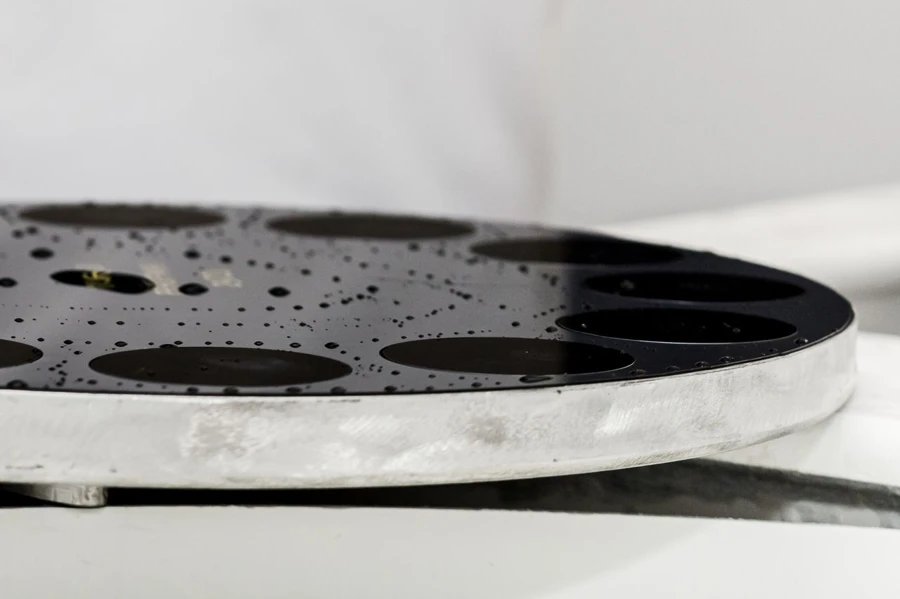
The future of electronics design is increasingly tied to efficiency, sustainability, and performance. Several trends continue driving interest in advanced semiconductor materials.
Electrification across transportation sectors is expanding rapidly. Renewable energy adoption continues to grow in many regions. Data centers require more efficient power management solutions as computing demands increase. Industrial automation systems are becoming more sophisticated and energy-conscious.
At the same time, manufacturers continue to refine fabrication processes and improve device architectures. Research efforts focus on increasing performance, reducing production costs, and supporting broader adoption across various industries.
As these developments progress, engineers will continue to evaluate material properties to address evolving technical requirements while supporting long-term reliability goals.
It offers a combination of high breakdown strength, thermal conductivity, and wide-bandgap performance, supporting demanding power applications.
Strong thermal conductivity helps transfer heat away from active components, supporting reliability, efficiency, and stable operation.
Wide-bandgap materials can operate effectively at higher temperatures and voltages while supporting improved electrical performance.
Applications are commonly found in electric vehicles, renewable energy systems, industrial automation, aerospace technologies, and power infrastructure.

Selecting the right wafer material can influence efficiency, thermal performance, reliability, and long-term design success. If you are evaluating options for current or future electronic applications, understanding how SiC characteristics align with your technical requirements is an important first step. At Wafer World, we are available to discuss material considerations and help you explore solutions that support your project goals. Contact us today to schedule a consultation or speak with our team about your application requirements.