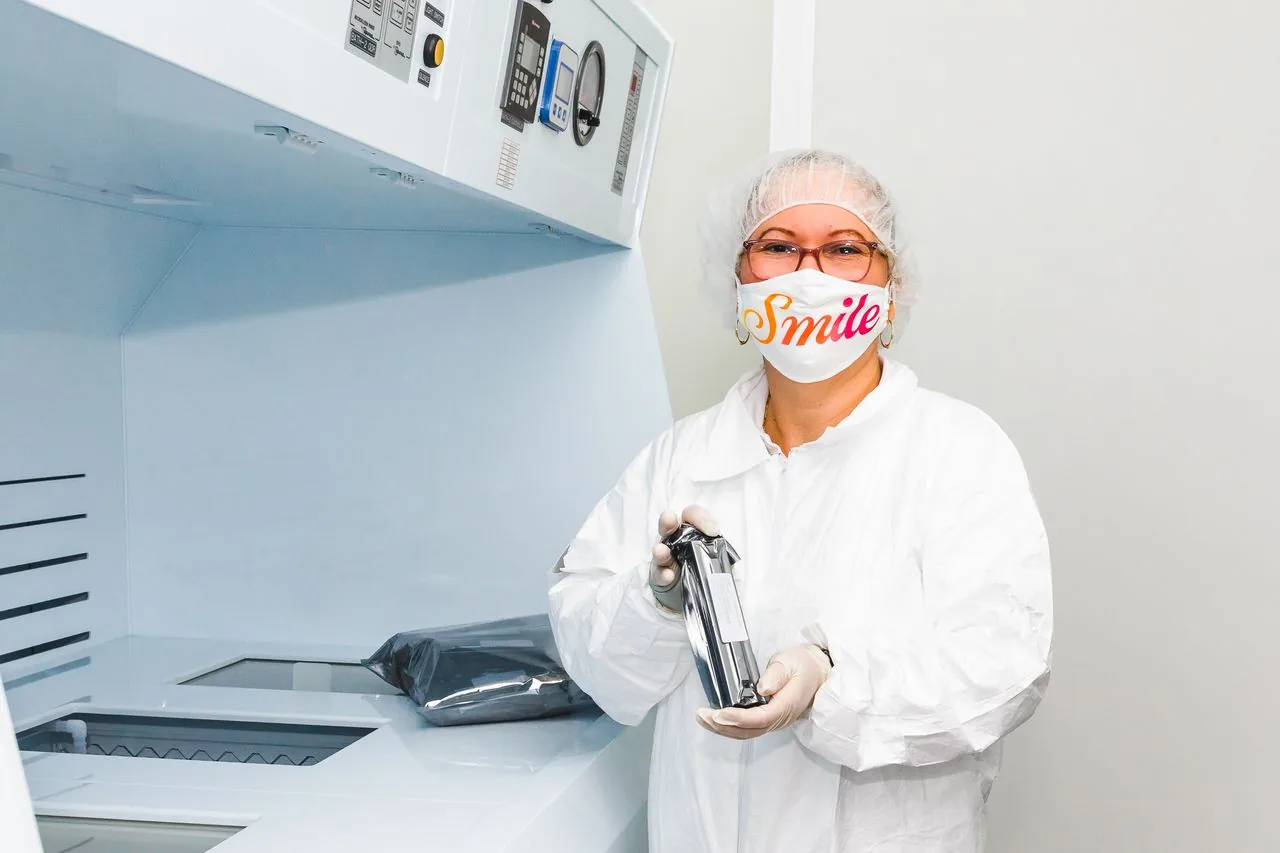
Selecting the right supplier involves more than comparing prices on a quotation. Experienced silicon wafer manufacturers provide value through consistent quality, dependable production capabilities, responsive customer service, and reliable delivery performance. While cost remains an important consideration, evaluating the full range of factors influencing total value can help organizations make purchasing decisions that support both immediate project goals and long-term operational success. Understanding what drives pricing enables buyers to identify suppliers that deliver dependable materials, helping reduce unexpected costs throughout the procurement process.
Initial purchase price often receives the most attention during supplier evaluations, but it represents only one part of the overall investment. Lower-priced products may appear attractive at first, yet inconsistent quality, delayed deliveries, or higher defect rates can increase expenses over time.
Evaluating total value means considering how supplier performance affects manufacturing efficiency, production schedules, and long-term project reliability. A dependable supplier can help reduce disruptions by consistently delivering materials that meet established specifications and arrive when expected.
Organizations that focus exclusively on purchase price may overlook hidden costs associated with product inconsistency, production delays, or additional quality inspections. Looking beyond the initial quotation helps create a more complete understanding of overall purchasing value.
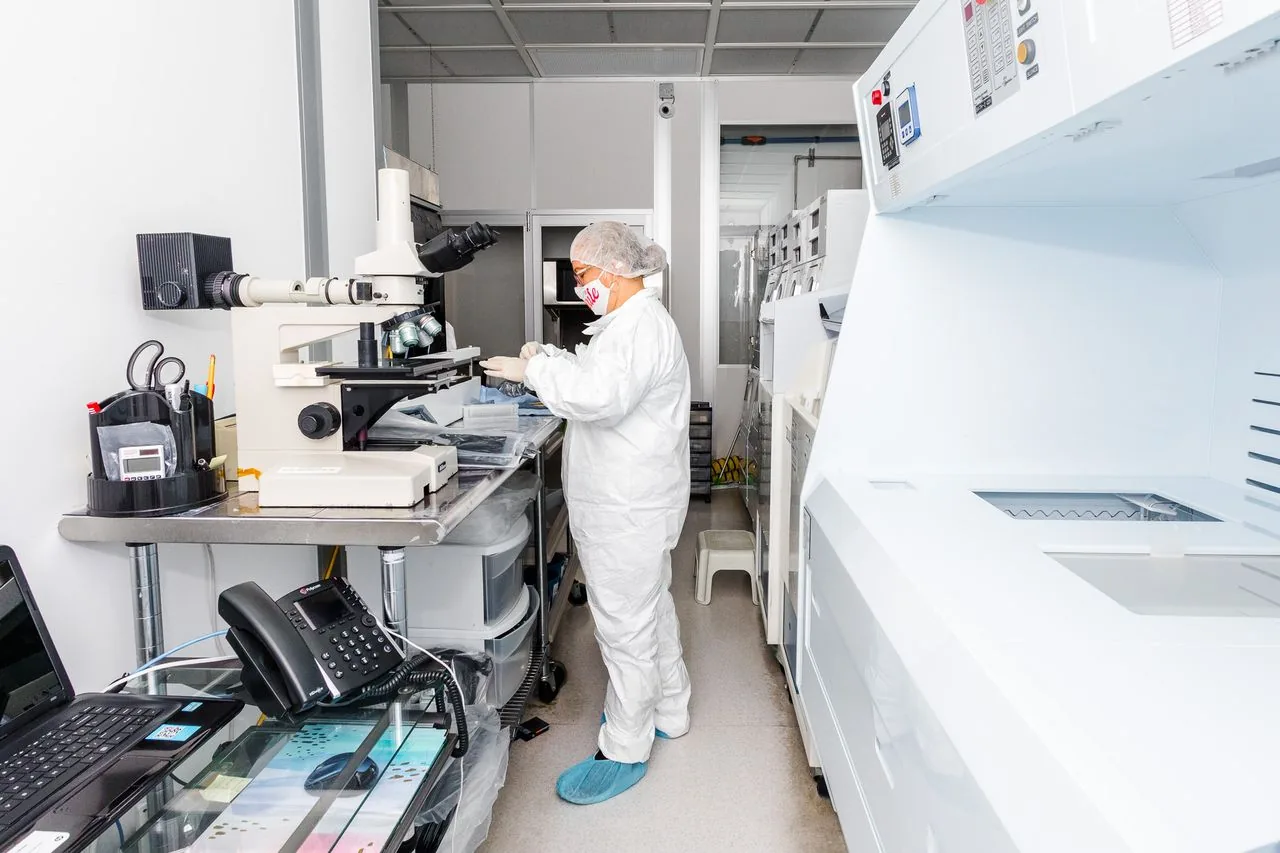
The quality of semiconductor materials directly influences manufacturing outcomes. High-purity wafers produced under carefully controlled conditions generally provide greater consistency throughout fabrication processes.
Reliable manufacturers invest in inspection procedures, process monitoring, and equipment calibration to help ensure products consistently satisfy customer requirements. Comprehensive quality programs also improve traceability, making it easier to identify and address production concerns if they arise.
Manufacturers that maintain structured quality systems often reduce production variability while supporting dependable product performance across multiple applications.
Consistent wafer dimensions, crystal orientation, surface finish, and material characteristics help minimize manufacturing interruptions. Products with predictable quality reduce the likelihood of unexpected process adjustments, allowing customers to maintain efficient production schedules.
When evaluating suppliers, reviewing their quality assurance approach can provide valuable insight into the consistency customers can expect over the long term.
Many semiconductor applications require wafers manufactured according to specific technical requirements. Custom diameters, thicknesses, crystal orientations, polishing options, and doping characteristics may all influence production costs.
Although customized products sometimes involve additional manufacturing steps, they may also reduce downstream processing requirements by arriving ready for their intended application. Matching wafer specifications closely to project requirements can improve operational efficiency while helping avoid unnecessary modifications later in production.
Organizations should communicate technical expectations clearly during supplier discussions to ensure quotations accurately reflect project requirements.
Reliable delivery schedules contribute significantly to overall project success. Even high-quality materials can create operational challenges if shipments arrive later than expected.
Manufacturers with established production capabilities often provide greater scheduling flexibility while maintaining consistent inventory levels. Stable production planning allows customers to coordinate manufacturing schedules more effectively, reducing unnecessary downtime and minimizing inventory shortages.
Additional factors that influence supplier value include:
Evaluating these characteristics alongside pricing provides a more balanced view of overall supplier performance.

Purchasing semiconductor materials often involves technical discussions regarding specifications, application requirements, and manufacturing considerations. Suppliers with experienced technical teams can provide valuable guidance during product selection while helping customers identify solutions aligned with project objectives.
Effective communication also contributes to smoother purchasing experiences. Prompt responses to questions, accurate documentation, and ongoing customer support help reduce misunderstandings while improving confidence throughout the procurement process.
Organizations working on research or specialized manufacturing projects may particularly benefit from suppliers who can discuss technical requirements in greater detail.
Building long-term relationships with dependable suppliers often yields benefits beyond individual purchases. Familiarity with customer requirements allows manufacturers to respond more efficiently while maintaining consistent product quality across future orders.
Stable supplier relationships also simplify planning, improve communication, and reduce the administrative effort required to qualify new vendors. These operational improvements can yield meaningful long-term cost savings, even when initial purchase prices remain similar.
Organizations should periodically review supplier performance by evaluating delivery reliability, product consistency, responsiveness, and quality documentation. Regular performance assessments encourage continuous improvement while supporting informed purchasing decisions.
Every project involves balancing financial objectives with technical requirements. Selecting the lowest-priced supplier may not always yield the greatest value if quality inconsistencies later lead to additional manufacturing costs.
Instead, organizations should evaluate suppliers based on their ability to consistently meet specifications while supporting efficient production and dependable long-term performance. Considering factors such as manufacturing capability, quality management, delivery reliability, and customer service alongside pricing creates a more comprehensive purchasing strategy.
This balanced approach allows buyers to make decisions that support operational efficiency while helping maximize the return on their semiconductor material investment.
Lower prices may not always reflect overall value. Product quality, delivery reliability, technical support, and manufacturing consistency can significantly influence total project costs.
Consistent quality helps reduce production interruptions, minimizes defects, and supports reliable manufacturing outcomes that may lower operational expenses over time.
Customized wafer specifications can better match application requirements, reducing additional processing while improving manufacturing efficiency.
Important considerations include quality control systems, production capacity, delivery performance, technical expertise, product consistency, and customer support.

Choosing experienced silicon wafer manufacturers requires evaluating more than pricing alone. A dependable supplier combines quality materials, consistent production, reliable service, and knowledgeable technical support to help customers achieve successful research and manufacturing outcomes. At Wafer World, we are committed to providing high-quality semiconductor materials backed by dependable service and careful manufacturing practices. Contact us today to learn more about silicon wafer manufacturers and discuss the right solution for your next project.