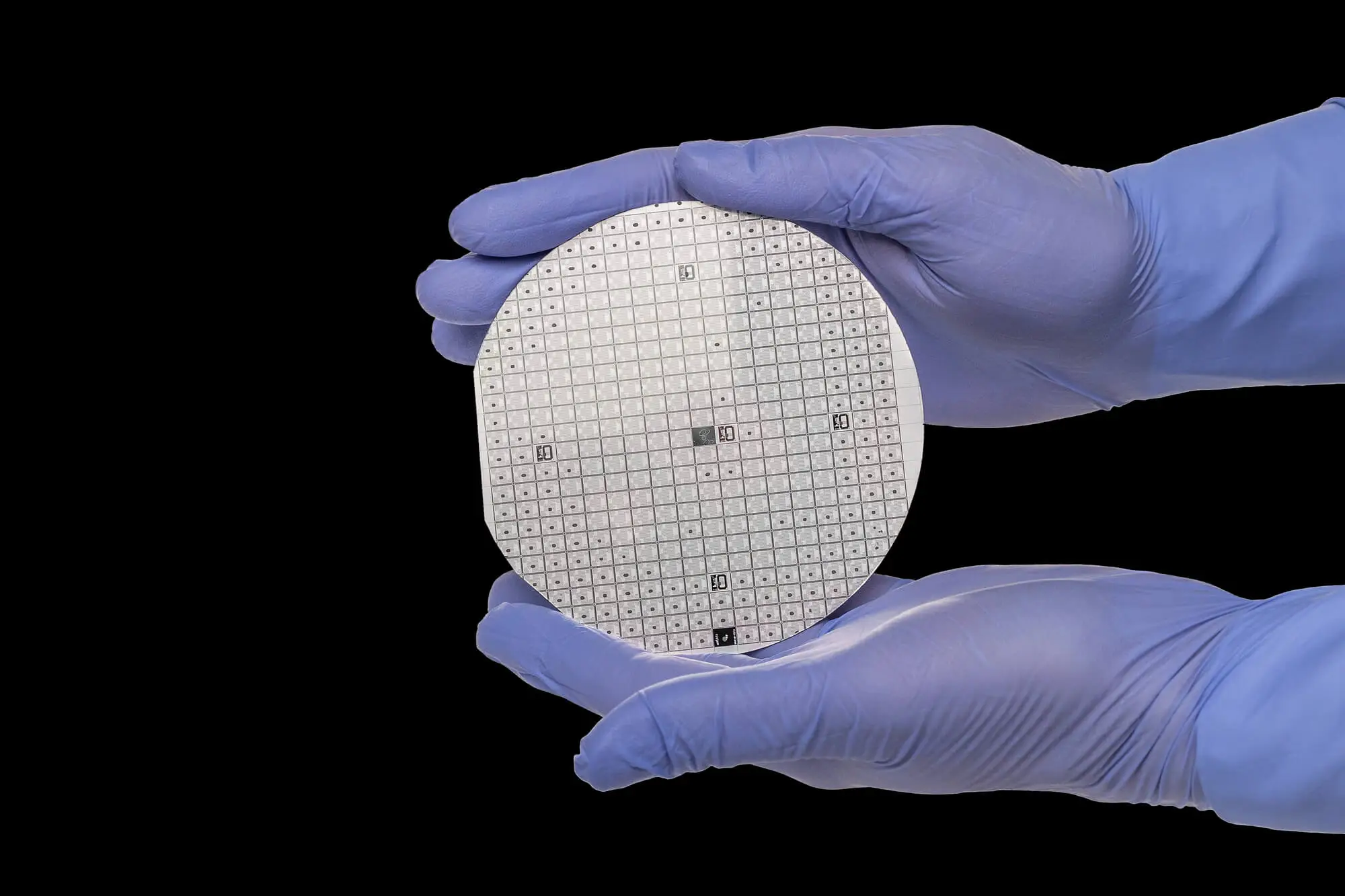
Polysilicon, also known as polycrystalline silicon, is the primary raw material used in the production of silicon wafers, which form the foundation for every solar cell and integrated circuit. Its purity and crystal structure have a direct impact on how efficiently solar panels convert sunlight into electricity, which is critical as the solar industry strives for increased performance and lower cost per watt.
So, what does this process look like?

The process begins with metallurgical silicon, which is refined from quartz sand in electric arc furnaces. This material still contains impurities that would limit solar performance; therefore, manufacturers use the Siemens process, a complex chemical vapor deposition technique that achieves increased purity.
The result is shiny, rod-like polysilicon chunks that are ready to melt and cast into crystalline structures.
The purified polysilicon is melted in a crucible to produce an ingot, which is a solid cylindrical or block-shaped mass of crystalline silicon.
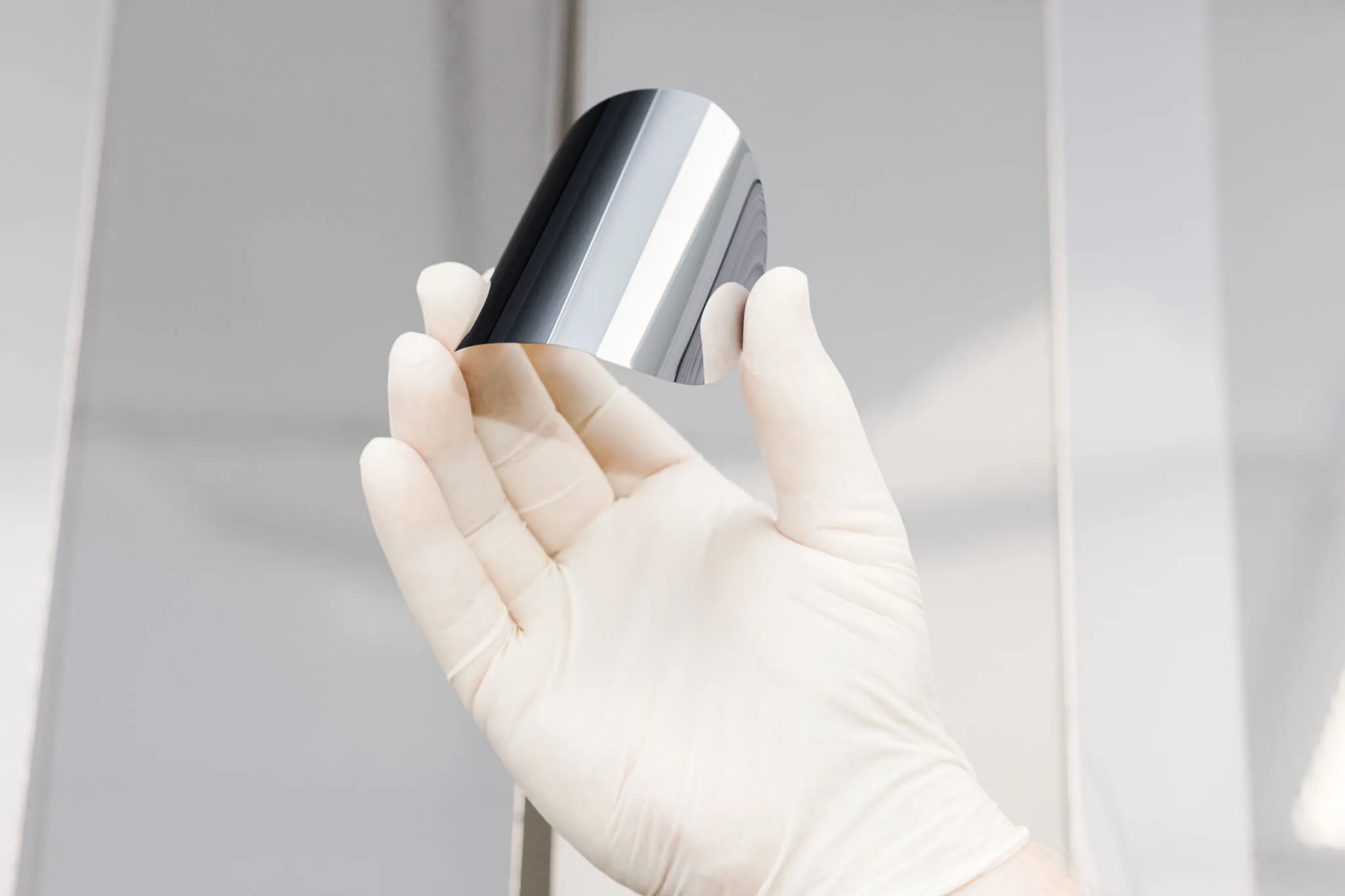
After the ingot is formed, it is sliced into ultra-thin silicon wafers (150-200 microns thick) with precision diamond wire saws. The surface of each wafer is then chemically etched and polished to eliminate micro-damage and ensure uniform flatness.
For solar cell manufacturing, double-sided polished wafers are preferred for superior reflectivity and reduced light scattering—crucial for maximizing photon absorption and energy conversion.
Once the wafer is ready, it’s treated with anti-reflective coatings and layered with doped materials to form p-n junctions—the active regions that convert sunlight into electricity. Metal contacts are added to collect current, and multiple cells are interconnected to form a solar panel, also known as a solar module.
As the demand for clean energy grows, so does the need for dependable, high-yield wafer materials. Whether you're making mono or poly-based solar cells, consistent wafer quality is essential for scaling production and maximizing energy output.
At Wafer World, we offer premium-quality silicon wafers to meet all your needs. Request a quote today and see how our products can power your production line—and the planet’s future.