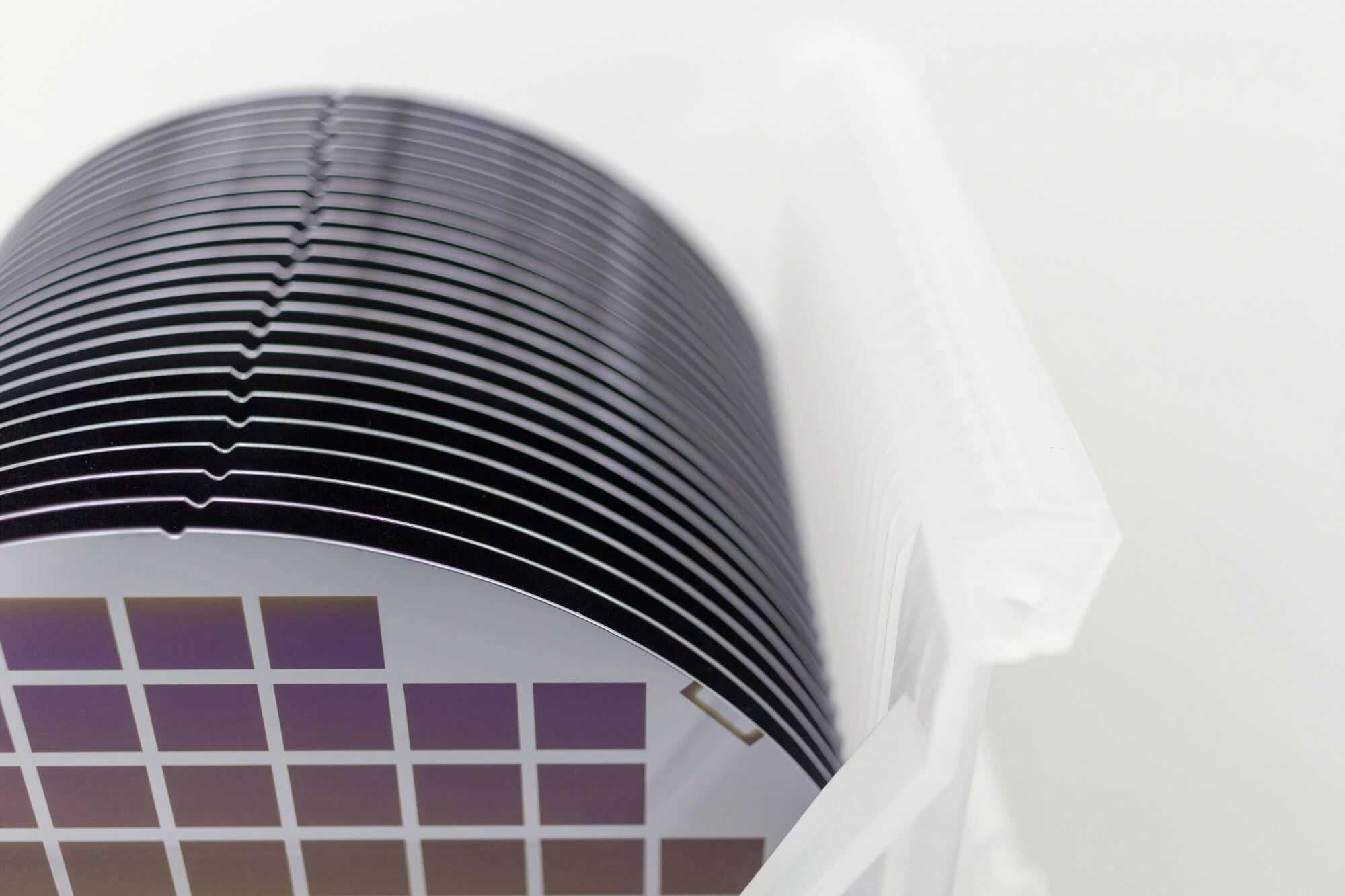
Understanding how many dies can be extracted from a germanium wafer is critical for cost modeling, yield optimization, and supplier selection. While the math may appear simple at first glance, the actual die count is determined by several technical and practical factors specific to germanium substrates.
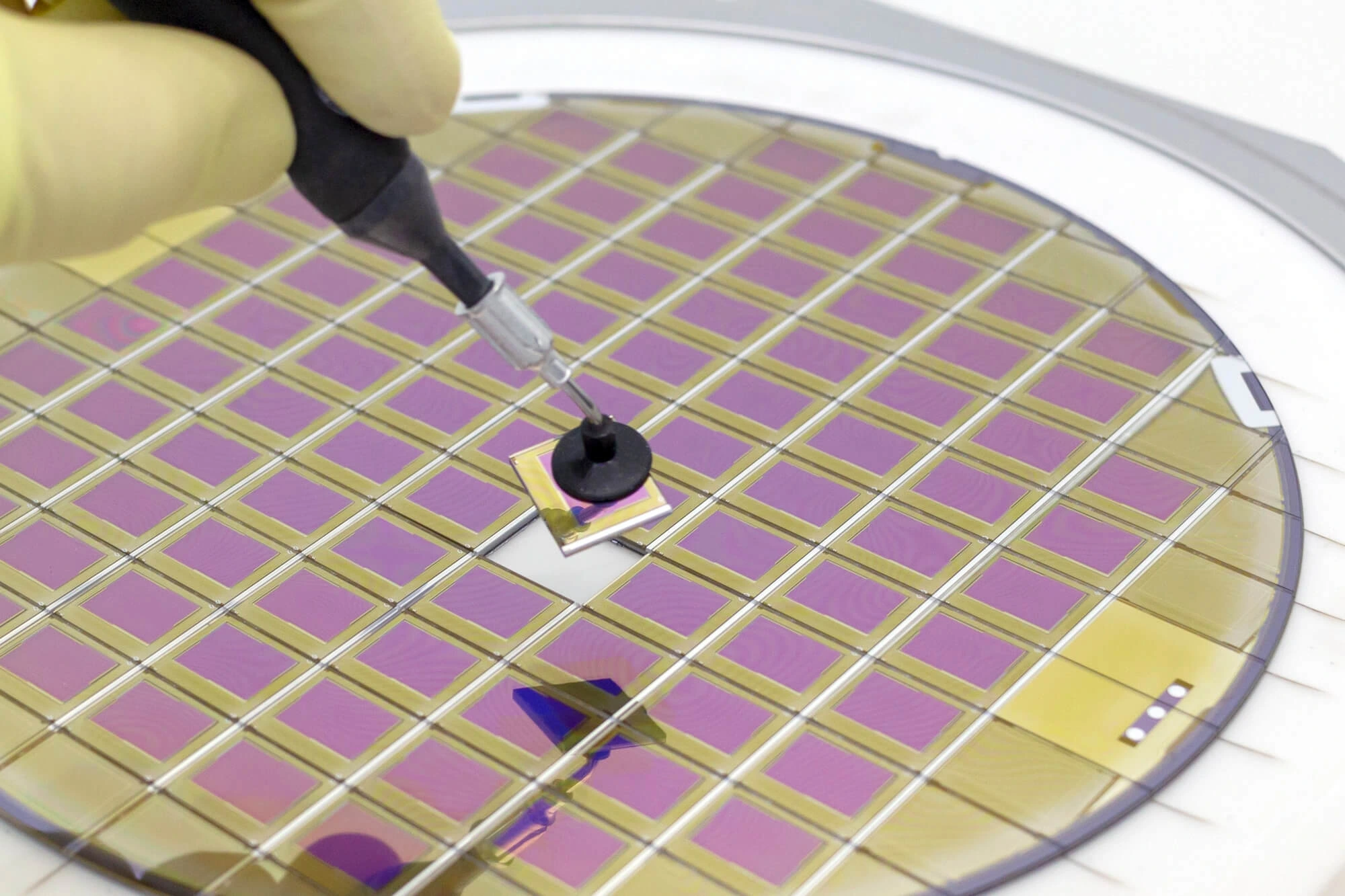
To put it simply, the number of dies per wafer is calculated by dividing the wafer surface area by die area, minus edge losses. In theory, larger wafers and smaller dies result in more usable chips.
However, germanium wafers are not silicon wafers, and applying silicon assumptions often leads to inaccurate expectations.
Germanium wafers are typically available in smaller diameters—100 mm, 150 mm, and, in some cases, 200 mm—due to material fragility, cost, and limited foundry tooling compatibility. This immediately limits the maximum die count when compared to standard silicon processes.
The maximum number of dies that can fit on a germanium wafer is determined by wafer diameter, but die shape and layout efficiency have a significant impact. The circular shape of the wafer causes square or rectangular dies to leave unused edge areas. The larger the die, the higher the percentage of edge loss.
A common mistake is equating “dies per wafer” with “good dies per wafer.” In reality, yield is the deciding factor. Germanium is more delicate than silicon, which is why wafer breakage risk and process uniformity can vary.
As a result, two germanium wafers with the same theoretical die count may produce very different numbers of functional dies, depending on crystal quality, polishing, and supplier controls.
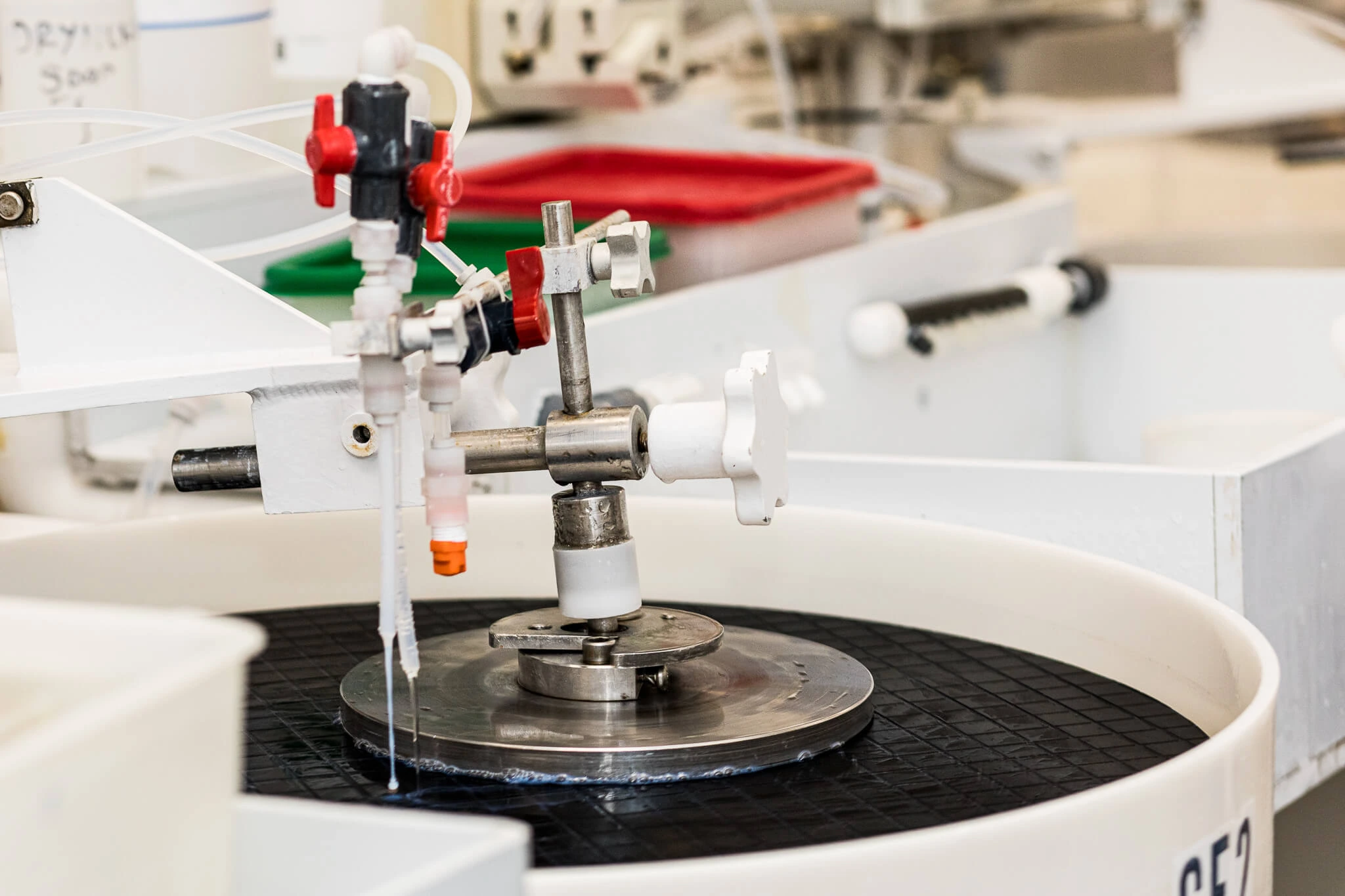
There is no single answer to how many dies fit in a germanium wafer. The real number depends on wafer size, die dimensions, layout efficiency, and yield performance.
For R&D teams, fabs, and OEMs working with germanium, accurate die count estimation starts with material quality and supplier transparency, not just geometry. Would you like to learn how many dies fit in one of Wafer World’s germanium wafers? Reach out, and let’s come up with an accurate estimation for your project!