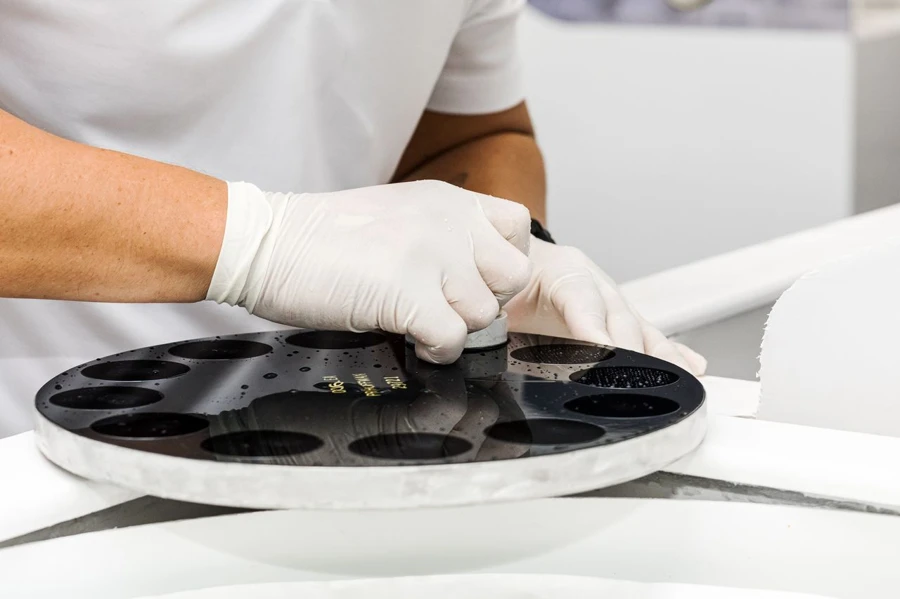
SAPP wafers continue to attract attention in electronics for their unique combination of insulation properties, mechanical durability, and optical characteristics, supporting a wide range of advanced applications.
The performance of any electronic device begins with the materials used to manufacture it. Semiconductor substrates influence electrical behavior, thermal management, reliability, and overall device efficiency. As technologies become more sophisticated, engineers must carefully evaluate the strengths and limitations of available wafer materials before selecting the best option for a specific application.
Different materials offer different advantages. Some excel in high-frequency performance, while others are better suited for thermal management or electrical insulation. Understanding these differences helps manufacturers develop products that meet performance requirements while supporting long-term operational goals.
Among the many substrate options available today, sapphire, gallium arsenide, and silicon carbide remain important choices for specialized electronic applications.
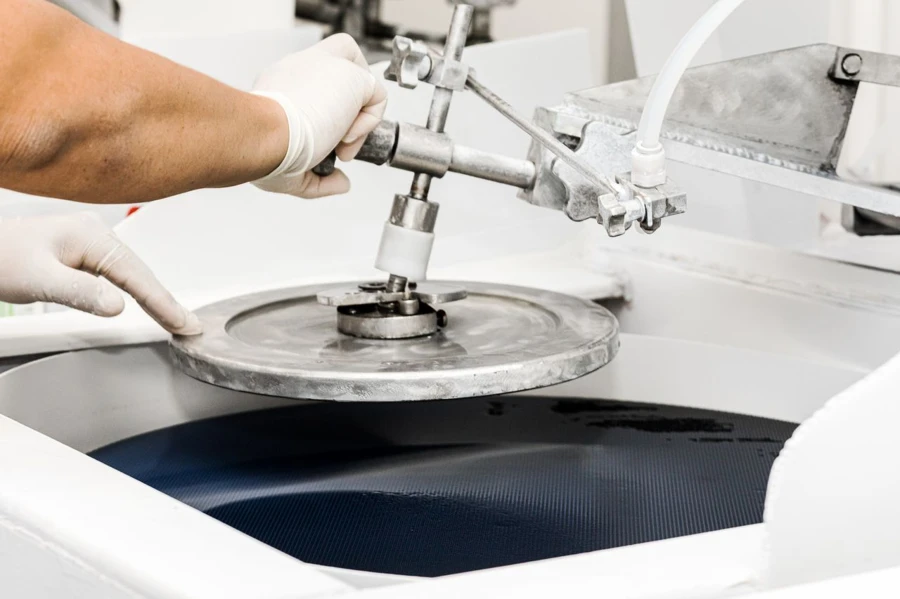
One of the most notable characteristics of sapphire substrates is their excellent electrical insulation capability. Unlike semiconductor materials, which conduct electrical current under certain conditions, sapphire is an insulator.
This property makes sapphire valuable in applications where electrical isolation is critical. Components built on insulating substrates can help reduce signal interference and support improved device performance.
Sapphire is recognized for its impressive hardness and durability. These characteristics allow it to withstand challenging manufacturing environments and demanding operating conditions.
Its mechanical stability helps support applications where long-term reliability is essential. Resistance to wear and surface damage can also extend product lifecycles.
Another advantage of sapphire is its optical transparency across a broad range of wavelengths. This feature makes it attractive for technologies that combine optical and electronic functions.
Applications involving sensors, imaging systems, and optical devices often benefit from materials that offer both durability and transparency.
Gallium arsenide has long been recognized for its ability to support high-frequency and high-speed electronic applications. Its electron mobility is generally higher than that of traditional silicon, making it useful for devices requiring rapid signal transmission.
This characteristic has contributed to its use in telecommunications, wireless infrastructure, satellite systems, and radio frequency technologies.
A direct bandgap allows gallium arsenide to emit and absorb light efficiently. This property makes it useful for optoelectronic applications such as lasers, photodetectors, and light-emitting devices.
While sapphire is often selected for its insulating and structural properties, gallium arsenide is frequently chosen when active electronic and optical performance is required.
GaAs devices can offer significant performance advantages, but manufacturing processes may differ from those used for other substrate materials. Designers often evaluate both performance objectives and production requirements when selecting a material platform.
Silicon carbide is widely recognized for its thermal conductivity and ability to operate under demanding temperature conditions. These characteristics make it attractive for power electronics and high-performance electrical systems.
Compared with sapphire, silicon carbide generally offers stronger thermal management capabilities for applications that generate substantial heat.
Power conversion systems often require materials capable of handling elevated voltages and electrical loads. Silicon carbide has become increasingly important in industries such as renewable energy, transportation, and industrial automation because of its ability to support these requirements.
Sapphire, while not typically used for power conversion, continues to provide value in applications where insulation and structural stability are priorities.
Both materials demonstrate excellent durability, making them suitable for demanding operating environments. Engineers often compare thermal behavior, electrical properties, and application requirements when determining which material best supports project objectives.
When comparing substrate materials, engineers typically examine several important characteristics:
No single material is ideal for every application. The optimal choice depends on the intended use, operating conditions, and performance goals of the final device.
Advanced materials support many of the devices used daily. From communication systems to sensors and display technologies, substrate selection influences product performance and reliability.
Modern communication networks rely on materials capable of supporting high-frequency signals, optical functions, and stable operation under demanding conditions.
Industrial equipment often requires durable materials that can withstand challenging environments. Reliability remains a key consideration for these applications.
Aerospace technologies frequently demand materials that combine durability, performance, and resistance to environmental stress. Different substrate options may be selected based on mission-specific requirements.
As electronics continue to evolve, advanced materials are enabling innovations in sensing, photonics, automation, and next-generation communications systems.
The semiconductor industry continues to invest in materials that support higher performance, greater efficiency, and improved reliability. Research efforts focus on enhancing manufacturing processes, improving material quality, and expanding application possibilities.
Future developments may create new opportunities for integrating specialized substrates into advanced electronic systems. As technology requirements evolve, material selection will remain a critical factor influencing design decisions.
Engineers will continue evaluating sapphire, gallium arsenide, silicon carbide, and other materials based on their ability to address emerging challenges while supporting long-term innovation goals.
Sapphire wafers are often used in applications requiring electrical insulation, optical transparency, and mechanical durability.
Gallium arsenide supports high-frequency performance and efficient optical functions, making it valuable for telecommunications and optoelectronics.
Its thermal conductivity and ability to operate under demanding electrical conditions make it well-suited for power-focused applications.
Engineers evaluate electrical, thermal, optical, mechanical, and manufacturing requirements to determine the most suitable substrate for a specific application.
Understanding how different substrate materials compare can help support informed decisions for electronics development, manufacturing, and research initiatives. If you are evaluating SAPP wafer options for a current or future project, Wafer World can help you explore available solutions and discuss material considerations that align with your application requirements. Contact us today to schedule a consultation or speak with our team about your needs.