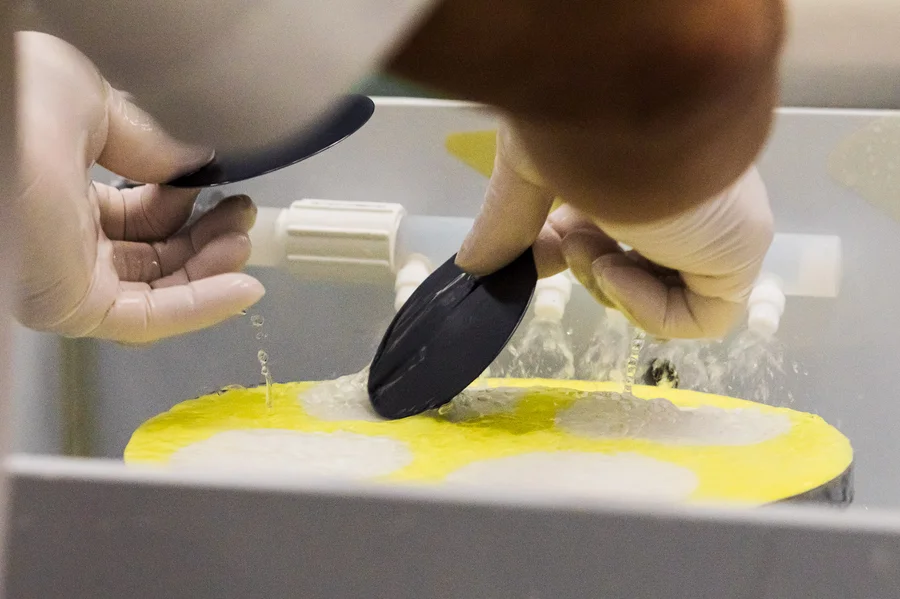
Most people who buy a silicon wafer for the first time assume the diameter is mainly about how much surface area they are getting. In practice, the diameter you choose must match the equipment already in your lab or fab line, or the wafer is unusable, no matter how clean the surface is.
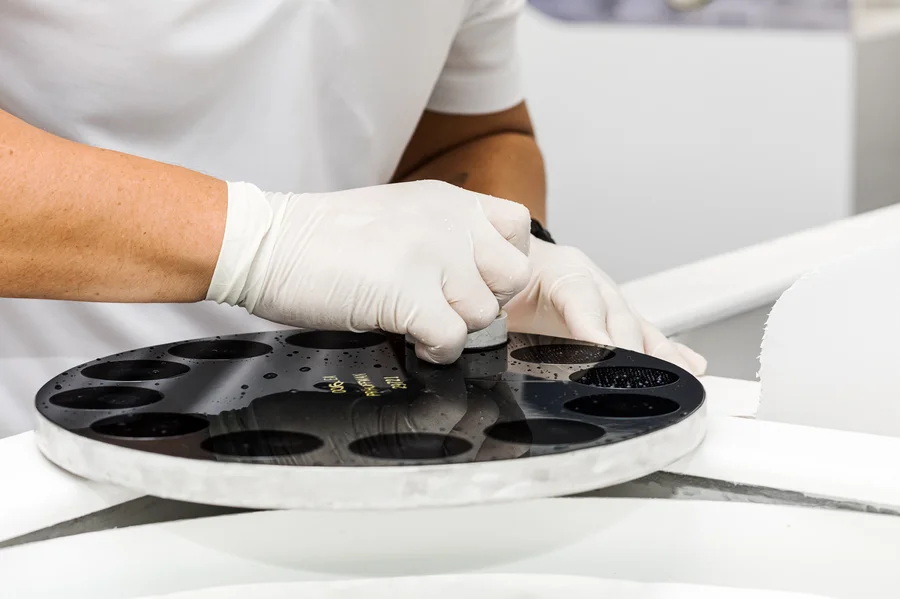
Wafer chucks, cassettes, prober pins, and handling arms are all built to a specific diameter. A wafer that is a few millimeters off from what your tools expect will not seat, clamp, or index correctly. That mismatch has nothing to do with the crystal's quality. Before you buy a silicon wafer, confirming what your existing equipment actually accepts matters more than comparing spec sheets.
Project stage matters just as much as hardware. Early research and small process runs are commonly done on smaller diameters, since smaller wafers cost less per order and are easier to source quickly for testing.
Once a process is validated, moving to a larger diameter changes the economics, but only if your equipment and cleanroom handling can scale with it. Buying a silicon wafer sized for where your project is today, not where it might be in a year, usually saves money on both ends.
A short checklist before you place an order:
Wafer diameters in active production today are standardized for exactly this reason, so equipment across different vendors stays compatible. Wafer World stocks silicon wafers across the standard diameter range through our wafer manufacturing services, and our team, working from a facility established in 1997, can confirm compatibility with your setup before you order, not after.
Ready to buy a silicon wafer sized correctly for the first time? Contact us with your equipment specs, and we will match you to the right diameter and grade.