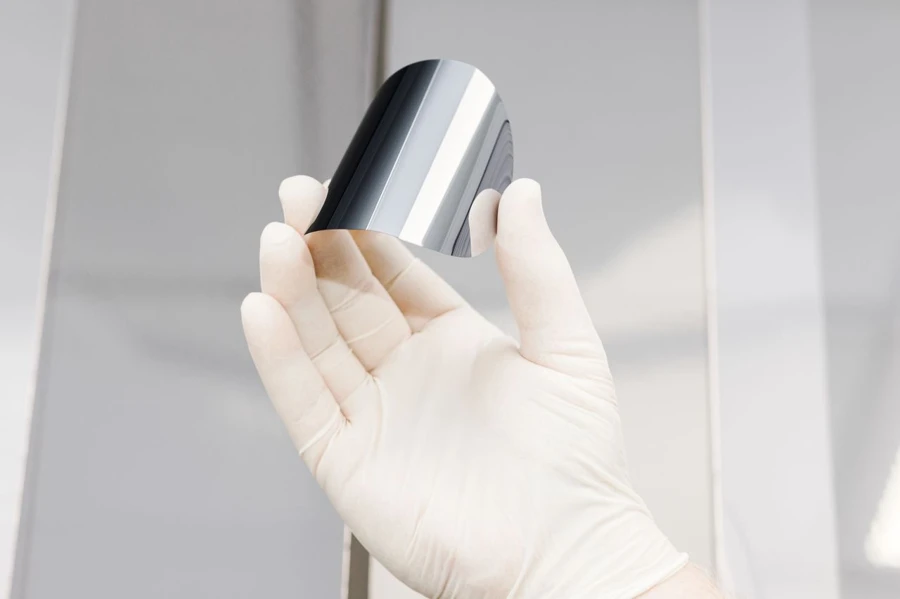
As semiconductor manufacturing continues to evolve, silicon carbide reclaim has emerged as an important process for improving material utilization and supporting sustainability efforts across the industry. With growing demand for advanced semiconductor materials, manufacturers are increasingly seeking ways to maximize resource use while maintaining the quality standards required for modern applications.
The semiconductor industry relies on highly specialized materials that require significant resources to produce. As production volumes increase, the need to manage material consumption efficiently also increases. Reclaim technology enables the recovery of previously used wafers and their restoration for future use across various manufacturing, testing, and research applications.
Rather than discarding wafers after a single use, reclaim processes help extend their lifecycle. This approach not only supports environmental goals but also improves resource management throughout the manufacturing process.
The growing focus on sustainability has encouraged manufacturers to explore innovative methods that reduce waste without compromising quality. Reclaim technology has become an important part of these efforts, helping organizations balance production demands with responsible material usage.

Every reclaim process begins with a detailed inspection. Wafers are carefully evaluated to determine their condition and suitability for recovery. Surface defects, contamination levels, and structural integrity are assessed before proceeding to additional processing steps.
This evaluation helps ensure that only wafers that meet specific quality requirements continue through the reclaim cycle.
After inspection, specialized processes remove deposited films, coatings, and residues from previous manufacturing operations. The goal is to create a clean foundation for subsequent restoration steps.
Precise material removal techniques are critical because they help preserve wafer integrity while eliminating unwanted surface layers.
Polishing plays a central role in reclaim technology. Advanced polishing methods help restore surface smoothness and flatness, characteristics that are often necessary for future manufacturing or testing applications.
Modern polishing equipment allows manufacturers to achieve highly controlled results while minimizing material loss during the restoration process.
Once polishing is complete, wafers undergo extensive cleaning procedures designed to remove microscopic particles and contaminants. Final inspections verify surface quality and confirm that reclaimed wafers meet established specifications.
Quality verification helps ensure consistency and reliability throughout the reclaim process.
Advancements in reclaim technology continue to improve both efficiency and quality.
Modern inspection systems can detect increasingly smaller surface imperfections. Enhanced characterization tools provide manufacturers with detailed information about wafer condition, allowing more precise processing decisions.
Improved measurement capabilities help increase reclaim success rates while supporting tighter quality standards.
Automation has become an important contributor to technological improvements. Automated systems can perform inspections, measurements, and process adjustments with a high degree of consistency.
Benefits of automation include:
As manufacturing environments become increasingly sophisticated, automation helps support scalable reclaim operations.
New polishing technologies continue to enhance surface restoration capabilities. Improved equipment designs and process controls help manufacturers achieve smoother surfaces while minimizing unnecessary material removal.
These advancements contribute to higher-quality reclaimed wafers that can support a broader range of applications.
The integration of data analytics into semiconductor manufacturing has also influenced reclaim operations. Process monitoring systems can collect information throughout the reclaim cycle, helping identify trends and opportunities for improvement.
Data-driven approaches support ongoing optimization efforts and help manufacturers maintain consistent outcomes.

Environmental responsibility has become a growing priority across many industries, including semiconductor manufacturing.
Reclaim technology contributes to sustainability initiatives by extending wafer usability and reducing material waste. Producing semiconductor substrates requires energy, raw materials, and specialized manufacturing processes. Recovering wafers for reuse maximizes the value of those resources.
Several sustainability benefits include:
These benefits align with broader industry efforts to improve operational sustainability while maintaining production capabilities.
Reclaimed wafers serve a variety of purposes throughout the semiconductor industry.
Many manufacturing facilities use reclaimed wafers for equipment qualification, calibration, and process monitoring activities. These applications often require high-quality wafers without necessitating the use of newly manufactured substrates.
Research teams frequently utilize reclaimed wafers during experimentation and process development. This approach can help conserve resources while supporting innovation efforts.
Manufacturers often use reclaimed wafers to evaluate production processes, test equipment settings, or validate manufacturing conditions.
By supporting these activities, reclaimed wafers help improve efficiency and operations across semiconductor facilities.
As demand for semiconductor technologies continues to expand, reclaim technology is expected to play an increasingly important role. Industries such as electric vehicles, renewable energy systems, telecommunications, industrial automation, and advanced computing all contribute to growing material requirements.
Future innovations may focus on improving recovery yields, enhancing surface quality, increasing automation capabilities, and expanding the range of applications that can benefit from reclaimed materials.
The continued development of inspection technologies, process controls, and polishing techniques will likely create additional opportunities for reclaim operations to support both economic and environmental objectives.
Organizations that embrace ongoing innovation in reclaim processes may be better positioned to address future manufacturing challenges while contributing to broader sustainability goals.
Wafer reclaim technology restores previously used wafers so they can be reused for specific manufacturing, testing, or research purposes.
It helps improve resource utilization, reduce waste, support sustainability initiatives, and extend the useful life of semiconductor materials.
They are commonly used for equipment monitoring, process evaluation, research, and manufacturing support.
Advancements in automation, inspection systems, polishing methods, and data analytics continue enhancing reclaim efficiency and quality.
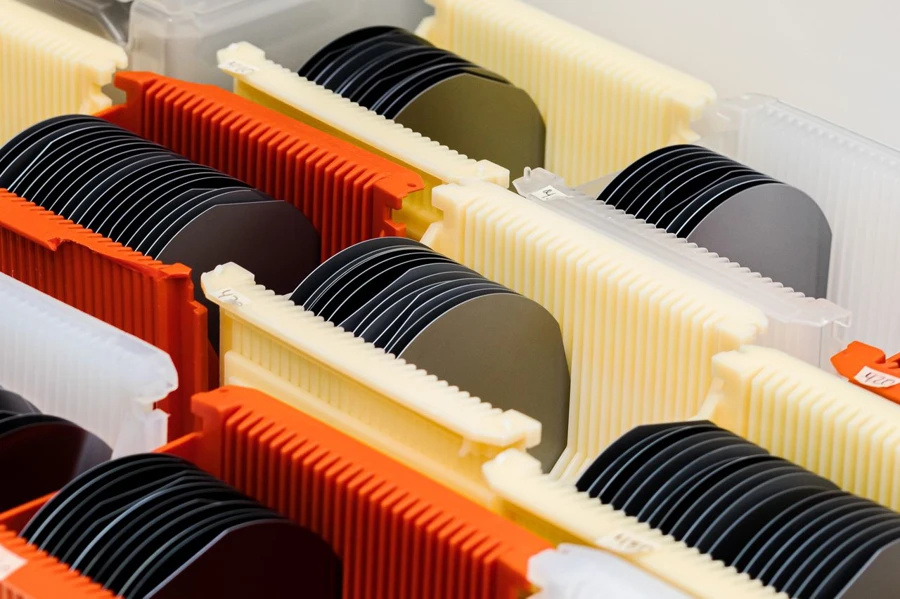
As reclaim technologies continue evolving, understanding available recovery options can help organizations make informed decisions about material utilization, sustainability, and operational efficiency. If you are exploring opportunities to support your semiconductor programs through silicon carbide reclaim solutions, contact Wafer World today to schedule a consultation and discuss your project requirements with our team.