March 16, 2026
Shop NowWhen you buy silicon wafer materials, understanding the difference between prime and test wafers can shape everything from performance expectations to project costs. These two categories may appear similar at first glance, but they serve very different purposes in semiconductor work. Knowing how each type functions helps ensure you select the right material for your application without introducing unnecessary risk or expense. As production demands increase and technologies advance, selecting the appropriate wafer type becomes a strategic decision rather than a simple purchase.
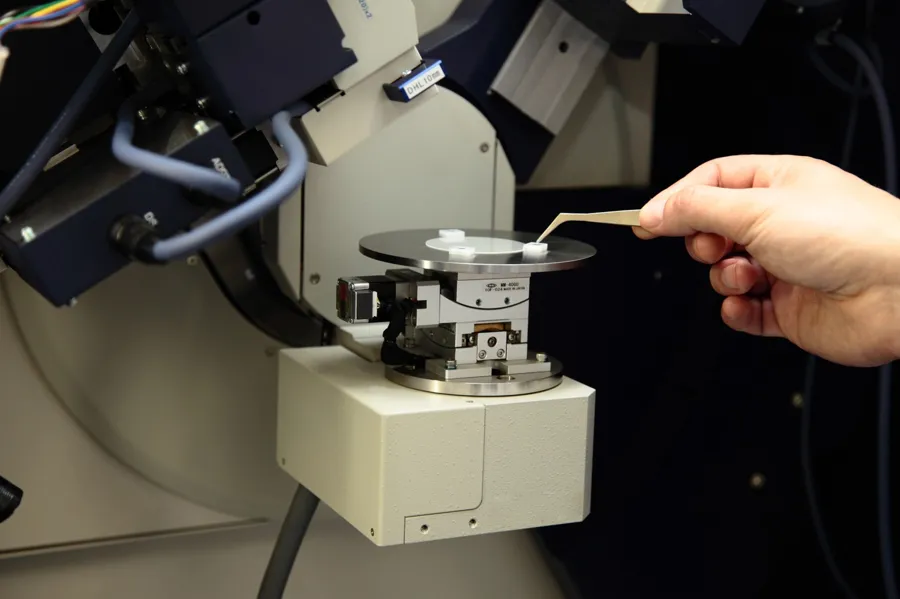
Prime wafers are considered the highest quality option available. They are manufactured to meet strict industry standards, with minimal defects and highly controlled specifications. These wafers are typically used in device fabrication where precision and consistency are critical. Because of their uniformity, prime wafers support advanced semiconductor processes that require tight tolerances. Their surfaces are polished to near-perfection, enabling reliable photolithography and consistent layer deposition. This level of refinement ensures that production environments remain stable and predictable over time.
Prime wafers are essential when the final product must meet exact performance standards. They are commonly used in integrated circuit production, microelectronics, and high-performance devices. Their consistency allows engineers to maintain stable process conditions, reducing variability and improving yield. In environments where even small defects can lead to failure, prime wafers deliver the reliability needed for long-term success. This reliability also supports scalability, making it easier to replicate successful production across multiple batches.
Test wafers, also known as monitor or dummy wafers, are used for process development, equipment testing, and training. Unlike prime wafers, they may contain minor imperfections or relaxed specifications. These wafers offer a cost-effective way to evaluate processes without using high-value materials. They are especially useful in early-stage development or for equipment calibration. By allowing teams to experiment without high financial risk, test wafers play a key role in improving overall production efficiency.
Test wafers are ideal for situations where the goal is to refine a process rather than produce a final product. They are often used in research environments, pilot runs, and equipment setup procedures. By using test wafers, teams can experiment, adjust parameters, and identify potential issues before transitioning to prime materials. This approach reduces waste and helps optimize processes before full-scale production begins. It also provides valuable learning opportunities for teams working with new technologies or equipment.
One of the most noticeable differences between prime and test wafers lies in surface quality. Prime wafers undergo rigorous polishing and inspection to ensure minimal defects, while test wafers may have higher allowable defect levels. Surface quality directly impacts how layers are applied during fabrication. A smoother surface allows for more precise patterning, while imperfections can introduce variability. This distinction is particularly important in high-performance applications where precision is essential.
In high-performance applications, even small defects can affect electrical behavior and device reliability. Prime wafers minimize this risk by maintaining strict quality standards. Test wafers, while not suitable for final production, still provide valuable insights during process development. Understanding how defects impact performance helps engineers refine their techniques and improve overall outcomes. Over time, this knowledge contributes to more efficient and reliable production processes.
Consistency is a defining characteristic of prime wafers. They are produced under tightly controlled conditions to ensure uniform thickness, resistivity, and crystal orientation. Test wafers may not follow the same level of control, as their purpose is more flexible. However, they still need to meet basic standards to provide meaningful results during testing. Maintaining some level of consistency ensures that testing outcomes remain useful and applicable.
Repeatability allows manufacturers to achieve predictable results. With prime wafers, this consistency supports stable production environments. Test wafers help teams establish and refine these processes. Once consistency is achieved, transitioning to prime wafers becomes more efficient and reliable. This progression supports both innovation and long-term operational success.
Cost is often a deciding factor when choosing between wafer types. Prime wafers are more expensive due to their higher quality and stricter manufacturing requirements. Test wafers offer a more affordable option, making them ideal for experimentation and training. This cost difference allows organizations to allocate resources more effectively across different stages of development.
Selecting the right wafer type involves balancing performance needs with budget constraints. Using prime wafers for every stage of development may not be practical, while relying solely on test wafers may limit accuracy. A strategic approach involves using test wafers during early stages and reserving prime wafers for final production. This balance supports both cost efficiency and high-quality outcomes while reducing unnecessary expenses.
Both prime and test wafers require careful handling to prevent contamination. However, the level of control is typically higher for prime wafers because they play a role in final production. Cleanroom environments, proper storage, and standardized handling procedures are essential for maintaining wafer integrity. Consistency in these practices ensures reliable results across all stages of use.

Inconsistent handling can introduce particles or damage that affects performance. For prime wafers, this can lead to costly defects. Even with test wafers, maintaining good handling practices ensures that results remain reliable and useful for process development. Attention to detail in handling supports overall quality and efficiency.
Inspection plays a key role in distinguishing between wafer types. Prime wafers undergo detailed inspection processes to verify their quality. In contrast, test wafers may not require the same level of scrutiny; however, both benefit from consistent evaluation methods that ensure usability and reliability.
Transparent inspection practices provide valuable data about wafer characteristics. This information helps engineers make informed decisions and maintain control over their processes. Consistency in inspection methods ensures that results are comparable and reliable across different batches, supporting better long-term outcomes.
Packaging is another factor that influences wafer quality. Proper packaging protects wafers from physical damage and environmental exposure during transport. Prime wafers often require more stringent packaging standards to preserve their quality, while test wafers may have slightly relaxed requirements.
Consistent packaging practices help ensure that wafers arrive in usable condition. This reduces the risk of delays and supports smoother production workflows. Reliable logistics contribute to overall efficiency and help maintain the integrity of materials throughout the supply chain.
Selecting between prime and test wafers depends on your specific goals. If your focus is on production and performance, prime wafers are the clear choice. If you are developing processes or testing equipment, test wafers provide a practical solution. Understanding these differences allows you to make informed decisions that align with your project requirements and long-term objectives.

If you are planning your next project, taking the time to understand wafer types can help you avoid unnecessary costs and improve results. Wafer World supports engineers and manufacturers with reliable materials and practical guidance to help you confidently buy silicon wafer products that match your needs. Reach out today to schedule a consultation and take the next step toward more efficient and dependable semiconductor processes when you buy silicon wafer solutions.