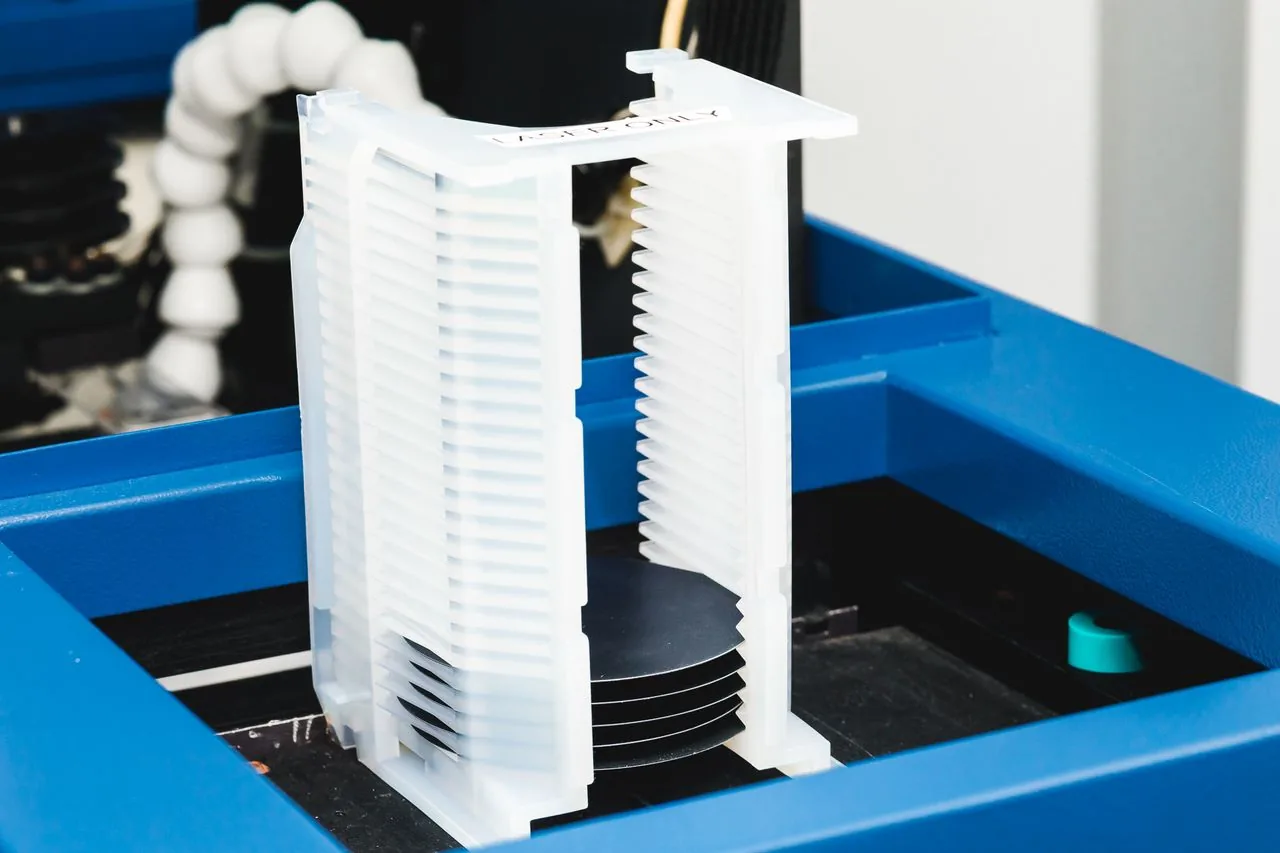
As semiconductor manufacturing continues to emphasize efficiency and sustainability, reclaiming previously used wafers has become an increasingly valuable practice. Sapphire reclaim allows suitable wafers to be restored for additional use through carefully controlled processes that remove surface damage and prepare them for future applications. Although reclaiming sapphire wafers offers practical advantages, achieving reliable results requires overcoming several technical challenges. From contamination and surface imperfections to strict quality requirements, every stage demands careful attention to detail to ensure restored wafers meet expected performance standards.
Sapphire is valued for its exceptional hardness, optical clarity, and durability, making it an important substrate material for applications such as light-emitting diodes, optical components, and specialized electronics. Because producing new sapphire wafers requires significant time and resources, reclaiming suitable wafers can be an effective way to extend the usable life of the material while supporting responsible manufacturing practices.
The reclaim process generally involves inspection, cleaning, polishing, and comprehensive quality verification. Each stage is designed to restore the wafer surface while preserving its structural integrity. Success depends on balancing material removal with maintaining the specifications required for future manufacturing processes.
As manufacturing technologies continue to evolve, reclaimed wafers have become increasingly valuable for applications such as equipment testing, process development, pilot production, and academic research. When properly restored, these wafers provide dependable performance for many non-prime applications while helping organizations make more efficient use of existing materials. This practical approach allows manufacturers to maximize available resources without compromising established quality expectations.
.webp)
One of the most significant challenges in reclaim is removing damage without compromising the wafer's overall quality. Previous manufacturing cycles may leave scratches, residue, or surface irregularities that must be eliminated before the wafer can be reused.
Mechanical wear, handling marks, and process-related defects can reduce a wafer's suitability for future applications. Careful polishing techniques help restore smooth surfaces while removing only the necessary amount of material. Excessive polishing may reduce wafer thickness beyond acceptable limits, making precision especially important.
Modern polishing methods are carefully controlled to achieve a balance between restoring the surface and preserving the wafer itself. Operators continuously evaluate polishing progress using advanced measurement techniques to avoid unnecessary material removal while achieving the surface quality required for future manufacturing processes.
Maintaining thickness, flatness, and overall dimensional consistency is essential throughout reclaim. Even minor variations can affect downstream manufacturing processes. Continuous measurement during restoration helps manufacturers verify that material removal remains within established tolerances.
Maintaining dimensional accuracy also improves compatibility with automated production equipment. Uniform wafers are easier to handle during manufacturing, reducing interruptions and supporting smoother production workflows. This consistency becomes increasingly valuable as semiconductor devices continue to become more sophisticated.
Another important challenge involves eliminating contamination that may remain after previous production cycles. Even microscopic particles or chemical residues can interfere with future manufacturing if they are not completely removed.
Modern cleaning processes use carefully selected chemical treatments, ultrapure water rinses, and controlled drying methods to remove contaminants while protecting the wafer surface. Cleanroom environments further reduce the possibility of introducing new particles during processing.
Routine monitoring throughout cleaning helps confirm that each stage effectively removes contaminants without damaging the material itself.
In addition to removing visible contamination, manufacturers also focus on minimizing microscopic residues that may not be immediately apparent during visual inspection. Thorough cleaning protocols, combined with controlled handling practices, help preserve the restored surface while reducing the risk of contamination before shipment.
Quality control remains one of the most critical aspects of reclaiming sapphire wafers. Every restored wafer must undergo detailed inspection before it can be considered suitable for reuse.
Manufacturers commonly evaluate:
Comprehensive inspections help ensure only wafers that meet established quality standards proceed to future manufacturing applications.
Detailed documentation throughout the inspection also supports product traceability. Recording measurement data, inspection findings, and processing history allows manufacturers to review previous production results, identify opportunities for improvement, and maintain consistent quality across future reclaim operations.
.webp)
Producing reliable reclaim results depends heavily on maintaining consistent equipment performance. Polishing systems, cleaning equipment, and measurement instruments must operate within carefully controlled parameters throughout production.
Regular calibration allows equipment to maintain accurate measurements while reducing process variability. Preventive maintenance also minimizes unexpected downtime and helps ensure consistent reclaim quality over the long term.
Routine equipment verification allows manufacturers to identify small performance changes before they become larger production issues. Scheduled maintenance contributes to stable operating conditions while supporting consistent restoration quality across multiple production batches.
Documented procedures create repeatable manufacturing practices that reduce inconsistencies between production batches. Standardized workflows also support operator training and continuous process improvement while helping manufacturers achieve dependable outcomes.
Clearly defined procedures make it easier to maintain consistency regardless of production volume or application requirements. This structured approach supports efficient communication across manufacturing teams while reducing unnecessary variation throughout the reclaim process.
Manufacturers continually seek ways to improve production efficiency without compromising quality. Faster processing may increase productivity, but reclaim operations must still prioritize precision throughout every stage.
Careful scheduling, automated monitoring systems, and data-driven process controls allow manufacturers to improve operational efficiency while maintaining strict quality standards. Investments in advanced inspection technologies also help identify issues earlier, reducing unnecessary processing and improving overall yield.
Rather than focusing solely on production speed, successful reclaim operations emphasize consistent quality, repeatable processes, and careful material handling. This balanced approach supports both customer expectations and sustainable manufacturing objectives.
Organizations that prioritize continuous improvement regularly evaluate production data to refine reclaim procedures, improve equipment utilization, and enhance overall operational performance. These ongoing improvements help manufacturers adapt to changing customer requirements while maintaining dependable quality standards.
Reclaiming sapphire wafers contributes to broader sustainability initiatives by extending the usable life of valuable materials. Reusing suitable wafers helps reduce raw material consumption while decreasing manufacturing waste associated with producing entirely new substrates.
Organizations seeking environmentally responsible manufacturing solutions increasingly recognize the value of reclaim programs that combine careful restoration with rigorous quality assurance. When properly managed, reclaim operations support both operational efficiency and responsible resource management without sacrificing product reliability.
By incorporating reclaim into long-term manufacturing strategies, organizations can improve material efficiency while supporting broader sustainability goals. Extending the usable life of existing wafers helps reduce unnecessary waste and encourages more responsible use of valuable semiconductor resources across the industry.
It is a controlled restoration process that prepares previously used sapphire wafers for reuse by removing surface damage, contaminants, and other imperfections while maintaining required specifications.
Inspection verifies that reclaimed wafers meet established standards for thickness, flatness, surface quality, and cleanliness before they are returned to manufacturing or research applications.
Not always. Wafers with excessive damage, structural defects, or dimensions outside acceptable tolerances may no longer be suitable for restoration.
Reclaiming extends the usable life of existing materials, helping reduce manufacturing waste and conserve resources while supporting responsible production practices.

Understanding the challenges involved in sapphire reclaim can help you make informed decisions when selecting materials for research, development, or manufacturing. Choosing a trusted partner with proven restoration processes and comprehensive quality control helps support dependable results and long-term value for your projects. At Wafer World, we are committed to providing high-quality semiconductor materials and professional support tailored to your application needs. Contact us today to learn more about sapphire reclaim and discuss the right solution for your next project.