As semiconductor technology continues to evolve, the demand for materials that offer precision, consistency, and performance has never been higher. Engineers and buyers are constantly evaluating options that can support advanced applications without compromising quality. One of the materials gaining attention in this space is FZ wafers, known for their high purity and reliable electrical characteristics. These wafers are widely used in applications where performance and consistency are critical, making them an important consideration for professionals across the electronics industry.
Float-zone technology is a specialized method for producing silicon with extremely low impurity levels. Unlike other processes, it avoids contact with crucibles, which helps maintain material purity throughout production. This results in wafers that are well-suited for applications requiring high resistivity and minimal contamination.
The process involves passing a molten zone through a silicon rod, which refines the material as it passes through. This controlled approach allows for precise adjustments and improved uniformity. For engineers working on sensitive or high-performance systems, this level of control can make a significant difference in outcomes.
One of the defining characteristics of float zone silicon is its purity. Lower impurity levels contribute to better electrical properties, including higher resistivity and reduced defect density. These factors are especially important in applications such as power electronics and high-frequency devices.
Consistent electrical behavior allows for predictable performance, which is essential in both research and production environments. When materials perform reliably, it becomes easier to maintain quality standards and reduce variability in final products.
The benefits of high-purity silicon extend across a wide range of industries. In power electronics, these wafers are often used in components that require efficient energy management. Their ability to handle higher voltages and maintain stability makes them a strong choice for demanding environments.
In telecommunications, high-performance materials are essential for signal integrity and high speed. The consistent properties of float-zone silicon meet these requirements, enabling better performance in communication systems.
Medical technology is another area where material quality plays a crucial role. Devices used for imaging and monitoring often rely on stable and precise components. High-purity wafers help ensure that these systems function reliably over time.
From a design perspective, using high-quality materials can simplify the development process. Engineers can rely on consistent properties when designing circuits and components, reducing the need for adjustments during production. This can lead to faster development cycles and improved efficiency.
Manufacturing also benefits from reduced defect rates. When materials are uniform and stable, there is less risk of inconsistencies that could affect performance. This contributes to better yield rates and more reliable output over the long term.
Additionally, the ability to customize specifications allows manufacturers to meet specific project requirements. Whether it is adjusting thickness, diameter, or resistivity, having flexible options supports a wide range of applications.
Choosing the right wafer involves more than just selecting a material type. Factors such as application requirements, environmental conditions, and long-term performance goals all play a role in the decision-making process.
Buyers should consider the level of purity needed for their specific use case. Higher purity may be necessary for advanced or sensitive applications, while other projects may allow for more flexibility. Understanding these requirements helps ensure that the selected material aligns with project goals.
It is also important to evaluate supplier capabilities. Reliable sourcing ensures consistent quality and timely delivery, both of which are essential for maintaining production schedules. Working with experienced providers can help reduce risks and improve overall project outcomes.
Investing in high-quality materials often leads to better long-term results. Components made from consistent and reliable wafers are less likely to experience performance issues over time. This can reduce maintenance needs and improve overall system longevity.
For industries where reliability is critical, such as aerospace or medical technology, this long-term value is especially important. Choosing materials that support durability and stability helps ensure that systems continue to perform as expected.
In addition to performance, long-term value also includes cost considerations. While high-quality materials may require a greater initial investment, they can lead to savings over time by reducing defects and improving efficiency.
As technology continues to advance, the need for high-performance materials will only increase. Emerging applications such as advanced computing, renewable energy systems, and next-generation communication networks all rely on materials that can meet evolving demands.
High-purity silicon plays a key role in supporting these innovations. Its ability to deliver consistent performance makes it a valuable resource for engineers working on cutting-edge technologies. Providing a reliable foundation enables the development of new solutions across multiple industries.
The ongoing refinement of manufacturing processes also contributes to future advancements. As techniques improve, the potential applications for these materials continue to expand, creating new opportunities for innovation.
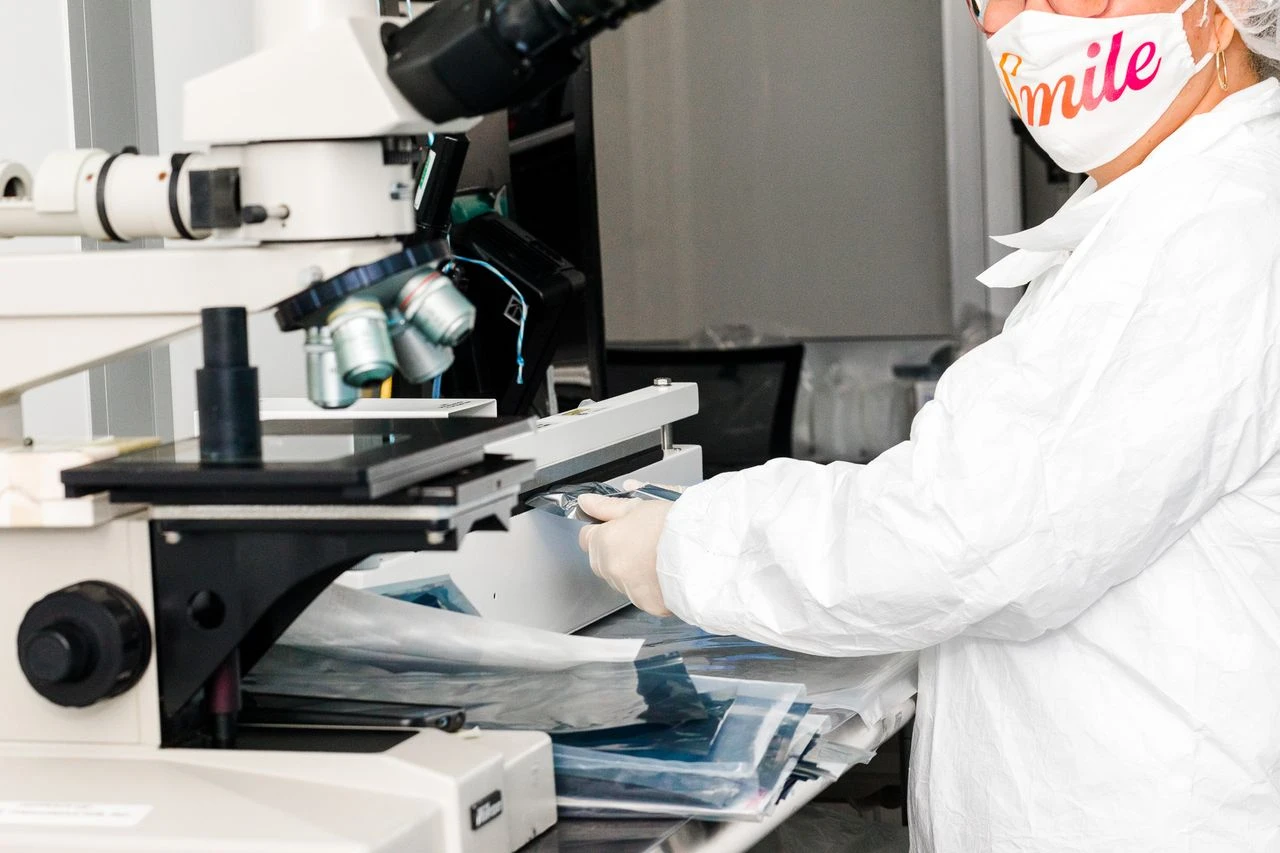
Beyond manufacturing, another critical factor influencing the value of high-purity silicon is the extent to which it undergoes testing before use. Quality control plays a key role in ensuring that wafers meet the strict performance standards required for advanced applications. Engineers and buyers rely on consistent measurements such as resistivity, thickness uniformity, and surface quality to confirm that materials will perform as expected. Careful inspection helps identify even minor variations that could impact device functionality over time.
Testing also supports long-term reliability by verifying that materials can withstand operational stress. This includes evaluating how wafers respond to temperature changes, electrical loads, and environmental conditions. For industries that depend on precision, such as power systems or telecommunications, these checks are essential. By maintaining high standards throughout testing, manufacturers help ensure that each wafer contributes to stable and dependable performance in real-world applications.
For engineers and buyers seeking reliable, high-performance materials, FZ wafers offer a practical solution for a wide range of applications. Their purity, consistency, and adaptability make them a strong choice for modern semiconductor needs. At Wafer World, we provide high-quality wafer solutions designed to support your technical requirements and long-term goals. Whether you are developing new technologies or refining existing systems, our team is here to help you move forward with confidence. Contact us today to learn more about how we can support your next project.