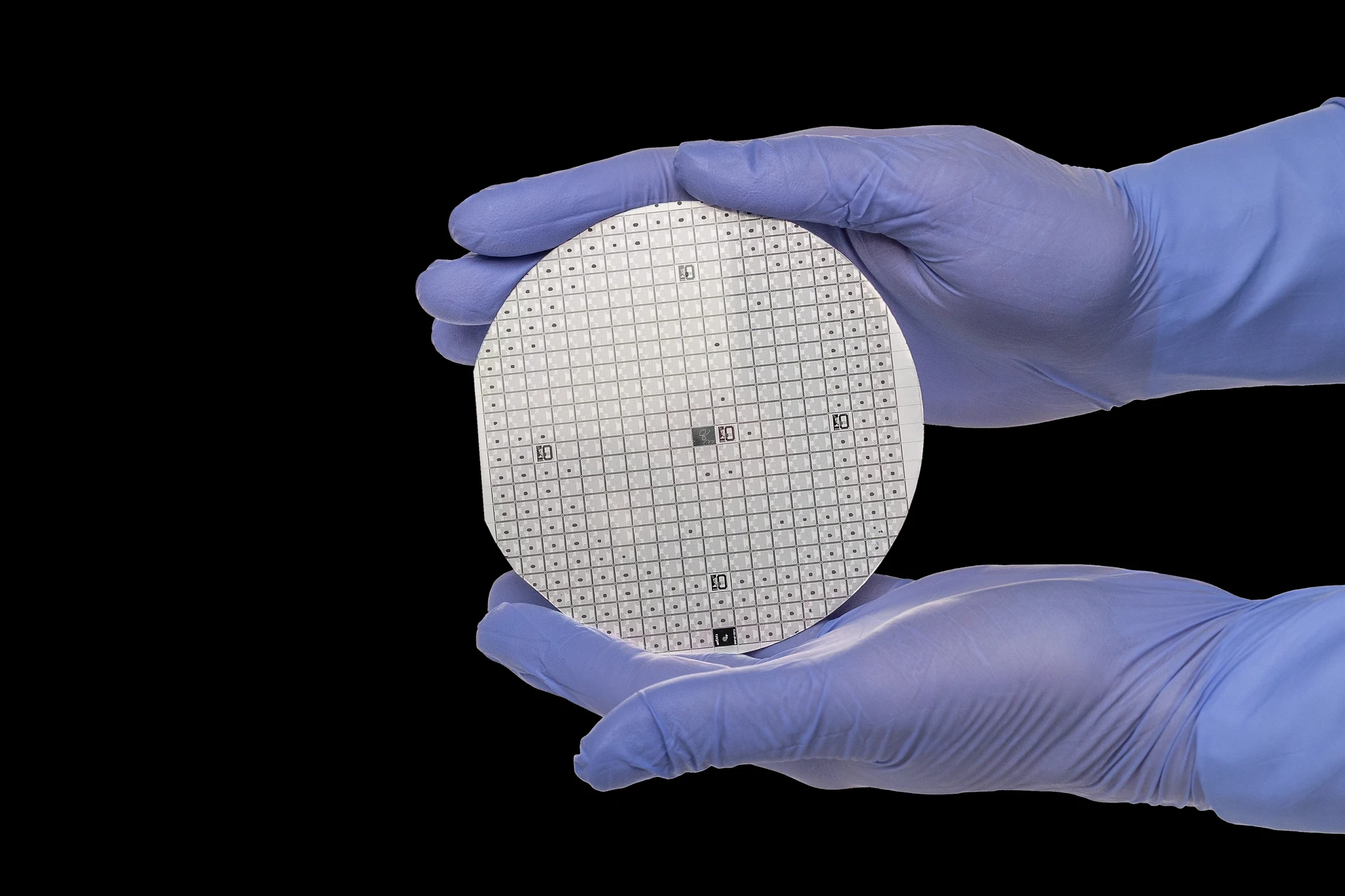
High-speed electronics demand materials that can keep up with increasing performance expectations. In this space, a germanium wafer has gained attention for its ability to support faster signal processing and improved efficiency. As devices continue to shrink while performance requirements grow, engineers are taking a closer look at whether germanium can meet these evolving needs without compromising reliability or scalability.
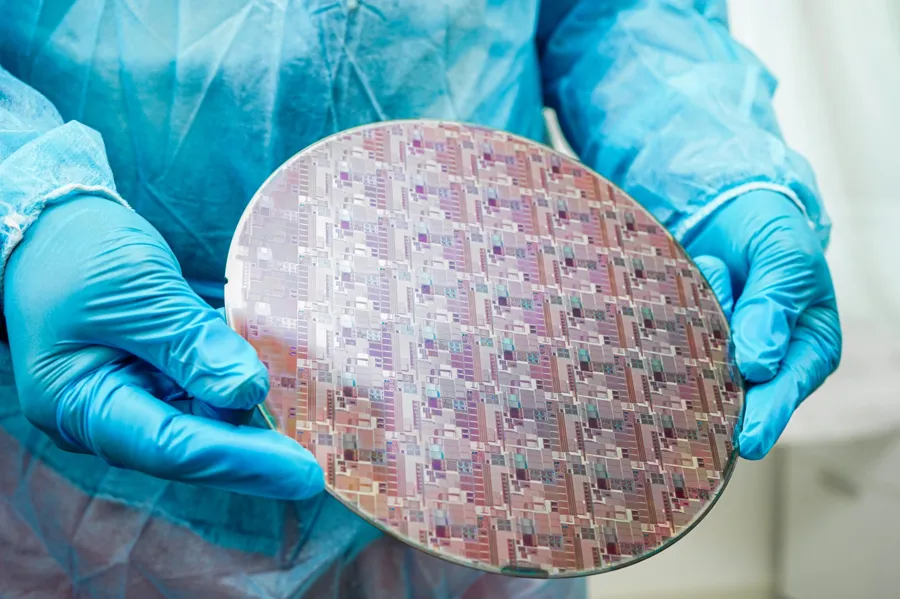
Germanium stands out for its higher electron and hole mobilities than traditional silicon. This means that charge carriers can move more quickly through the material, which directly impacts switching speed and signal response. For high-frequency applications, this property can offer a measurable advantage. Another important factor is its lower bandgap. This allows germanium to operate efficiently at lower voltages, which can reduce power consumption. In high-speed environments, where energy efficiency and thermal management are closely linked, this characteristic becomes increasingly valuable.
Higher mobility translates into faster transistor operation. In practical terms, this means circuits can switch states more quickly, enabling improved performance in communication systems, computing devices, and signal processing technologies. However, mobility alone does not determine success. It must be supported by consistent material quality and precise fabrication techniques to ensure that performance gains are not offset by variability or defects.
Thermal performance plays a major role in high-speed electronics. As devices operate at higher frequencies, heat generation increases. Materials must not only conduct electricity efficiently but also manage heat effectively. Germanium has different thermal conductivity characteristics than silicon, requiring careful system design. Engineers often need to balance electrical performance with thermal stability to ensure long-term reliability.
Proper thermal management strategies, such as optimized packaging and heat dissipation systems, are essential. Without these measures, even high-performance materials can experience degradation over time. This is where consistency in wafer production becomes critical. Uniform material properties help ensure predictable thermal behavior across devices, reducing the risk of hotspots or uneven performance.
While germanium offers clear performance benefits, it also introduces manufacturing challenges. Integrating it into existing semiconductor processes requires adjustments to fabrication techniques. Compatibility with the current infrastructure is a key consideration. Many facilities are optimized for silicon-based processes, so introducing germanium may require additional investment in equipment and expertise.
The decision to use germanium often involves weighing performance gains against production complexity. For some applications, the benefits justify the transition. For others, maintaining compatibility with established processes may take priority. Consistency in fabrication is essential to make germanium viable at scale. Without repeatable processes, the material's advantages can be difficult to realize in real-world production environments.
High-speed electronics require extremely pure materials. Even minor contamination can impact electrical performance and device reliability. Maintaining strict contamination control standards is critical when working with advanced materials. Cleanroom environments, handling protocols, and inspection procedures all contribute to preserving wafer integrity. Consistency in these practices ensures that each wafer meets the same high standards.

Impurities can introduce defects that affect carrier mobility and overall device performance. In high-speed applications, where precision is essential, these defects can have significant consequences. By maintaining rigorous contamination control, manufacturers can protect the performance advantages that germanium offers while minimizing risks associated with variability.
Quality assurance is a key factor in determining whether a material is suitable for high-speed electronics. Detailed inspection processes help verify that wafers meet required specifications before they are used in production. Transparent reporting allows engineers to assess material quality and make informed decisions. Metrics such as surface flatness, defect density, and uniformity provide valuable insights into wafer performance.
Consistent inspection protocols ensure that results are comparable across batches. This standardization supports better decision-making and helps maintain confidence in material quality over time. Without consistent inspection, it becomes difficult to identify trends or address potential issues before they impact production.
The journey from manufacturing to application introduces additional variables that can affect wafer performance. Packaging and handling must be carefully controlled to prevent damage or contamination. Standardized packaging solutions help protect wafers during transportation and storage. This includes maintaining clean environments and minimizing physical stress.
Consistent packaging practices ensure that wafers arrive in optimal condition, ready for use in high-speed applications. This reduces the risk of introducing variability during later stages of production. Attention to packaging detail may seem minor, but it plays a significant role in preserving the performance characteristics of advanced materials.
In high-speed electronics, timing is critical. Delays in material supply can disrupt production schedules and impact overall efficiency. Reliable lead times are an important part of evaluating material suitability. Consistent supply chain practices help ensure that materials are available when needed. This supports better planning and reduces the risk of downtime.
A stable supply chain requires coordination across multiple stages, from raw material sourcing to final delivery. Consistency in these processes helps maintain continuity and supports long-term success. Manufacturers benefit from working with partners who can provide both high-quality materials and dependable delivery schedules.
As demand for advanced materials grows, so does the risk of counterfeit products. Ensuring material authenticity is essential for maintaining performance and reliability in high-speed electronics. Verification processes, including certification and traceability, help confirm that materials meet required standards. These measures protect manufacturers from introducing substandard components into their systems.
Consistent verification practices reduce uncertainty and build confidence in material quality. This is especially important in high-speed applications, where performance margins can be tight. By prioritizing authenticity and traceability, manufacturers can safeguard their processes and maintain high-quality standards.
Germanium offers clear advantages for high-speed electronics, particularly in terms of carrier mobility and efficiency. However, its success depends on more than just material properties. Consistency in production, handling, and supply chain practices plays a critical role in determining overall performance. Engineers must consider a range of factors, including thermal behavior, fabrication compatibility, and quality assurance. By taking a comprehensive approach, it becomes possible to determine whether germanium is the right fit for a specific application.
If you are evaluating materials for next-generation devices, choosing the right partner can make a meaningful difference in achieving consistent performance. At Wafer World, we focus on delivering reliable solutions that support advanced applications, including every germanium wafer designed for precision and long-term use. Connect with us today to schedule a consultation and discover how we can help you move forward with confidence using a high-quality germanium wafer.