.webp)
Stay up-to-date with the latest news and trends in wafer and semiconductor technologies.
*Blogs are for educational and informational purposes ONLY
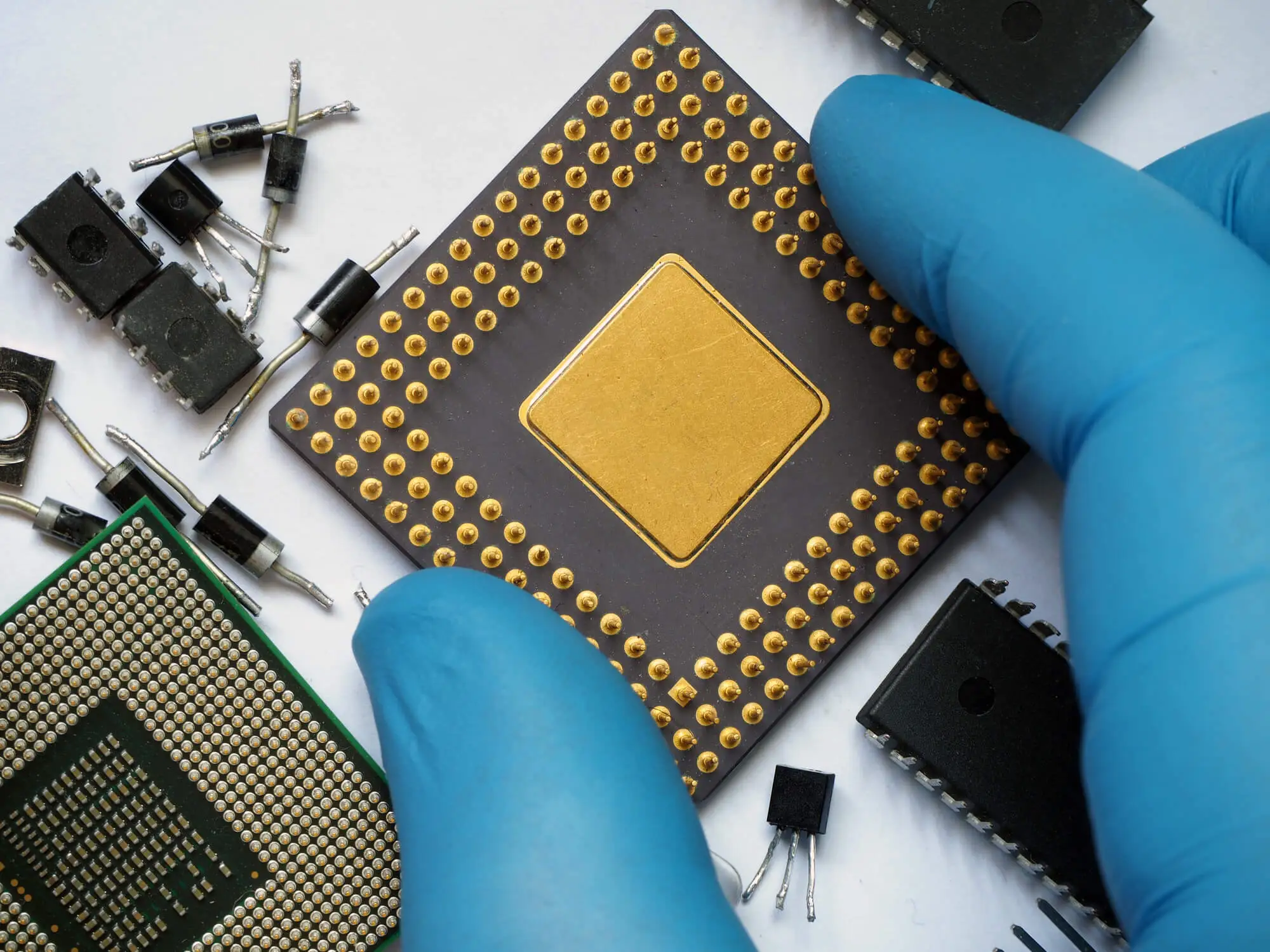
SiC wafers are widely used in power electronics. Learn from leading silicon wafer suppliers how they impact performance, efficiency, and reliability.
Read More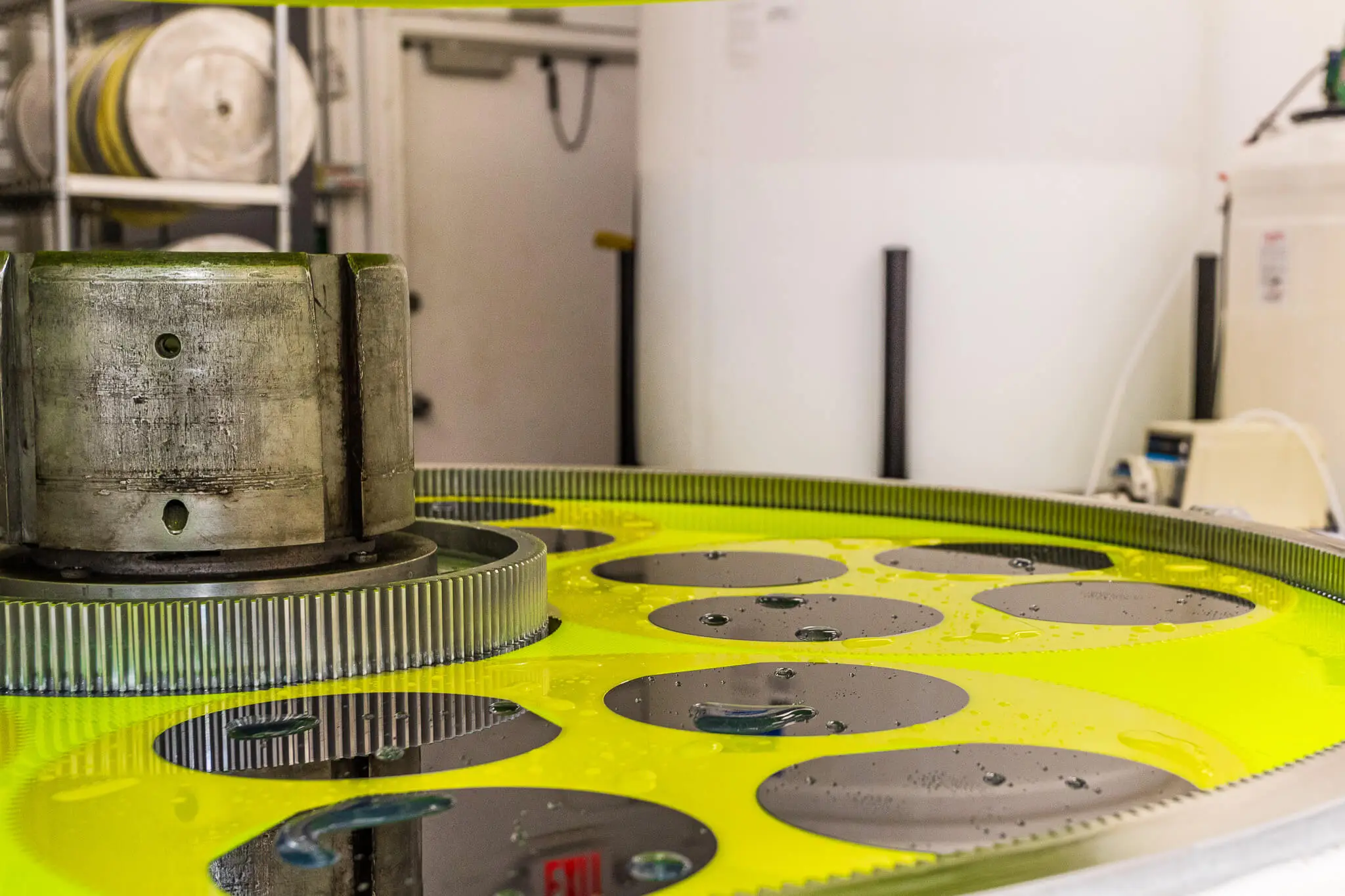
What is a dielectric in semiconductors? Learn how dielectric materials on a silicon wafer affect performance, reliability, and advanced device design.
Read More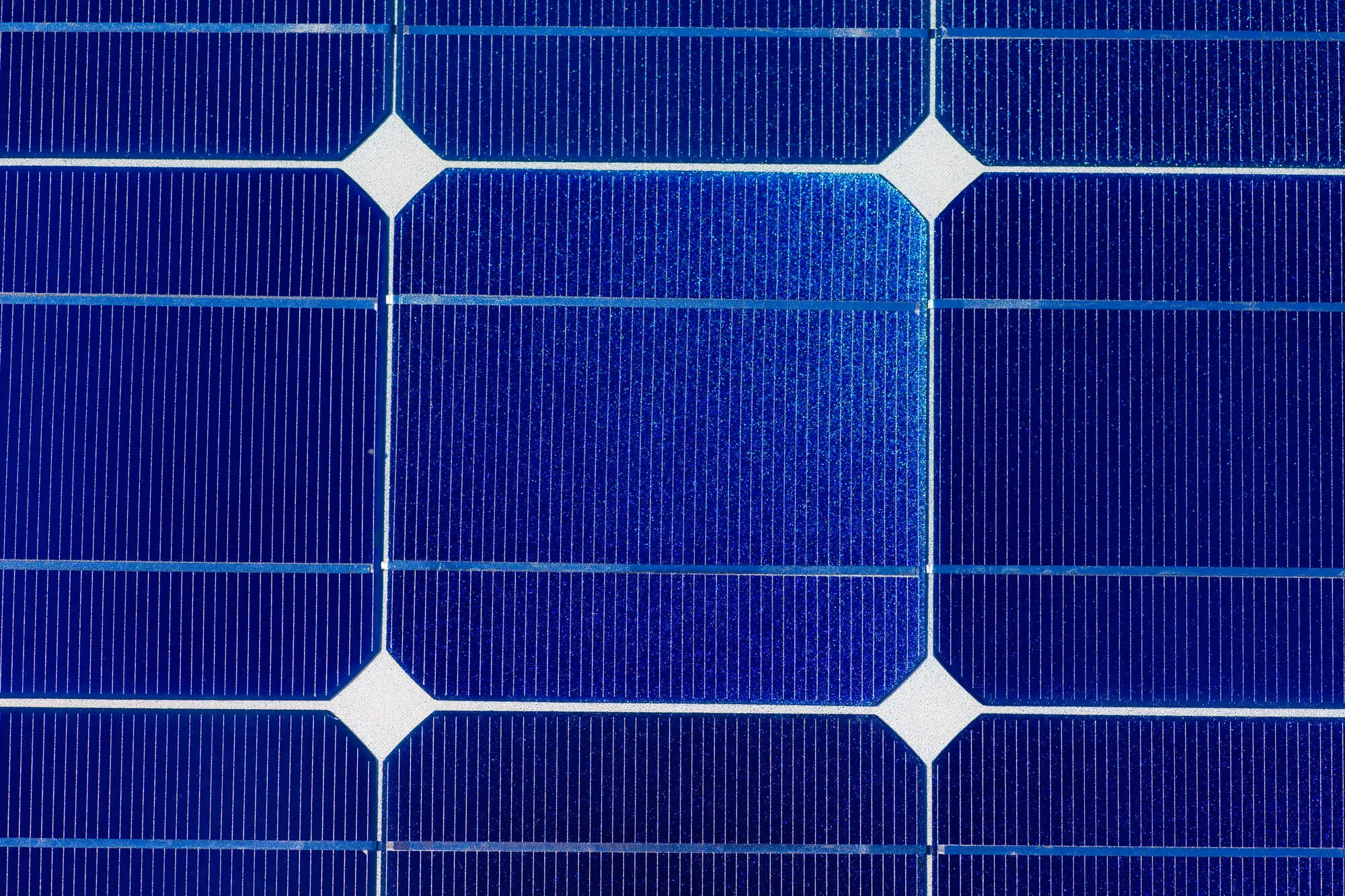
How long does it take to grow a float zone wafer? Learn what affects FZ growth time, production limits, and how it impacts purity, cost, and lead times.
Read More
Discover why a double side polish wafer is essential for epitaxial growth and how they can improve film uniformity and reduce defects.
Read More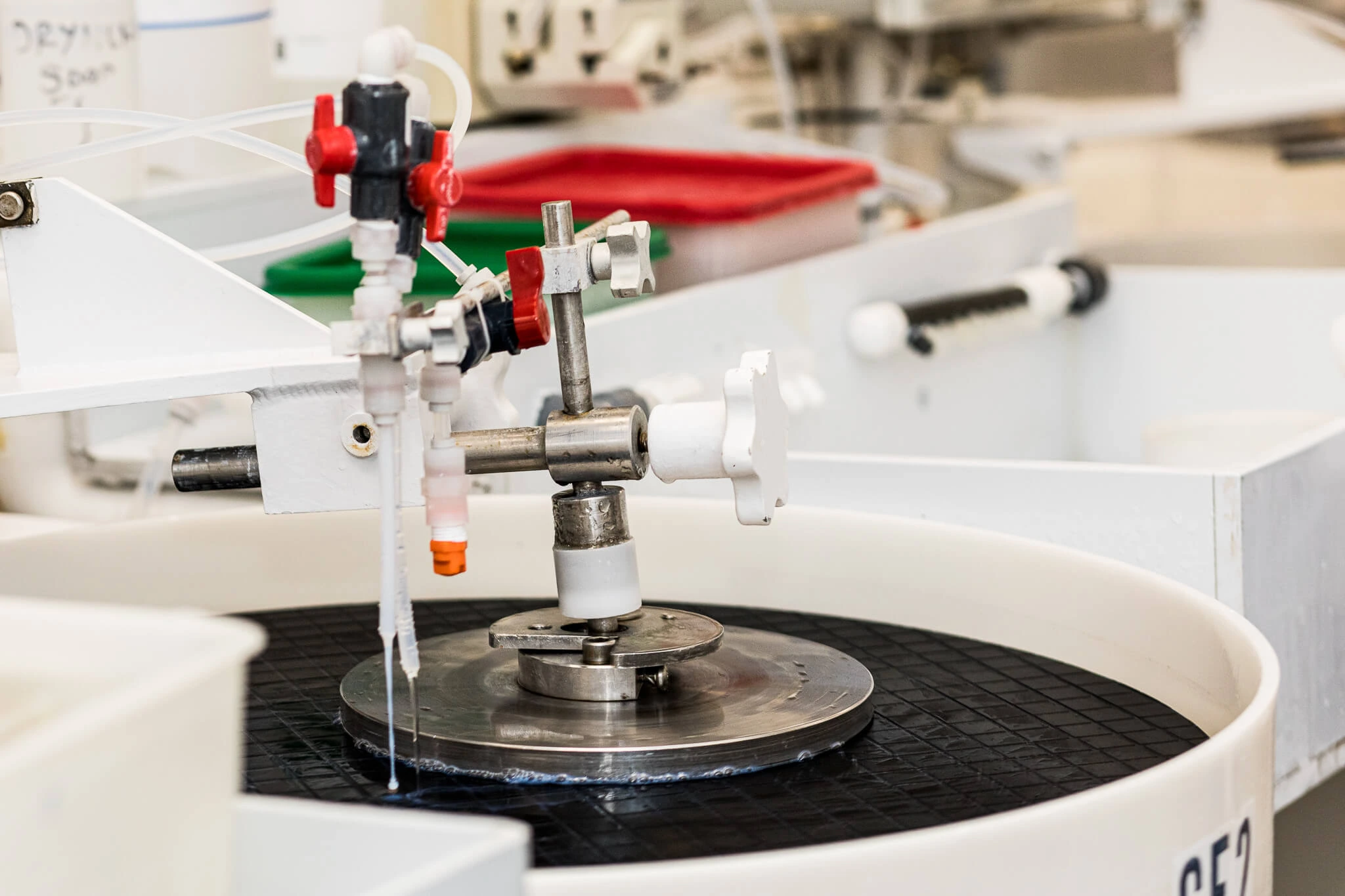
Learn what makes germanium wafers electrically unique, from bandgap, mobility, and intrinsic carriers to dielectric constant, breakdown behavior, and more.
Read More
Discover why patterned GaAs reclaim wafers are essential for accurate calibration and metrology. Improve tool matching, reduce costs, and speed up process setup.
Read More
Not all InP reclaim wafers are the same. Learn what patterned wafers are, when to use them, and exactly what to specify when ordering for reliable results.
Read More
Learn how permittivity and dielectric constant affect thin silicon wafers in advanced semiconductor applications. Performance, reliability, and design insights explained.
Read More
Learn proven testing best practices for GaAs reclaim wafers, and how to improve yield, ensure reliability, and avoid common testing risks.
Read More
Does GaAs wafer orientation affect device performance and yield? The answer is yes, so knowing how to choose the right GaAs wafer is crucial for your application.
Read More