.webp)
Stay up-to-date with the latest news and trends in wafer and semiconductor technologies.
*Blogs are for educational and informational purposes ONLY
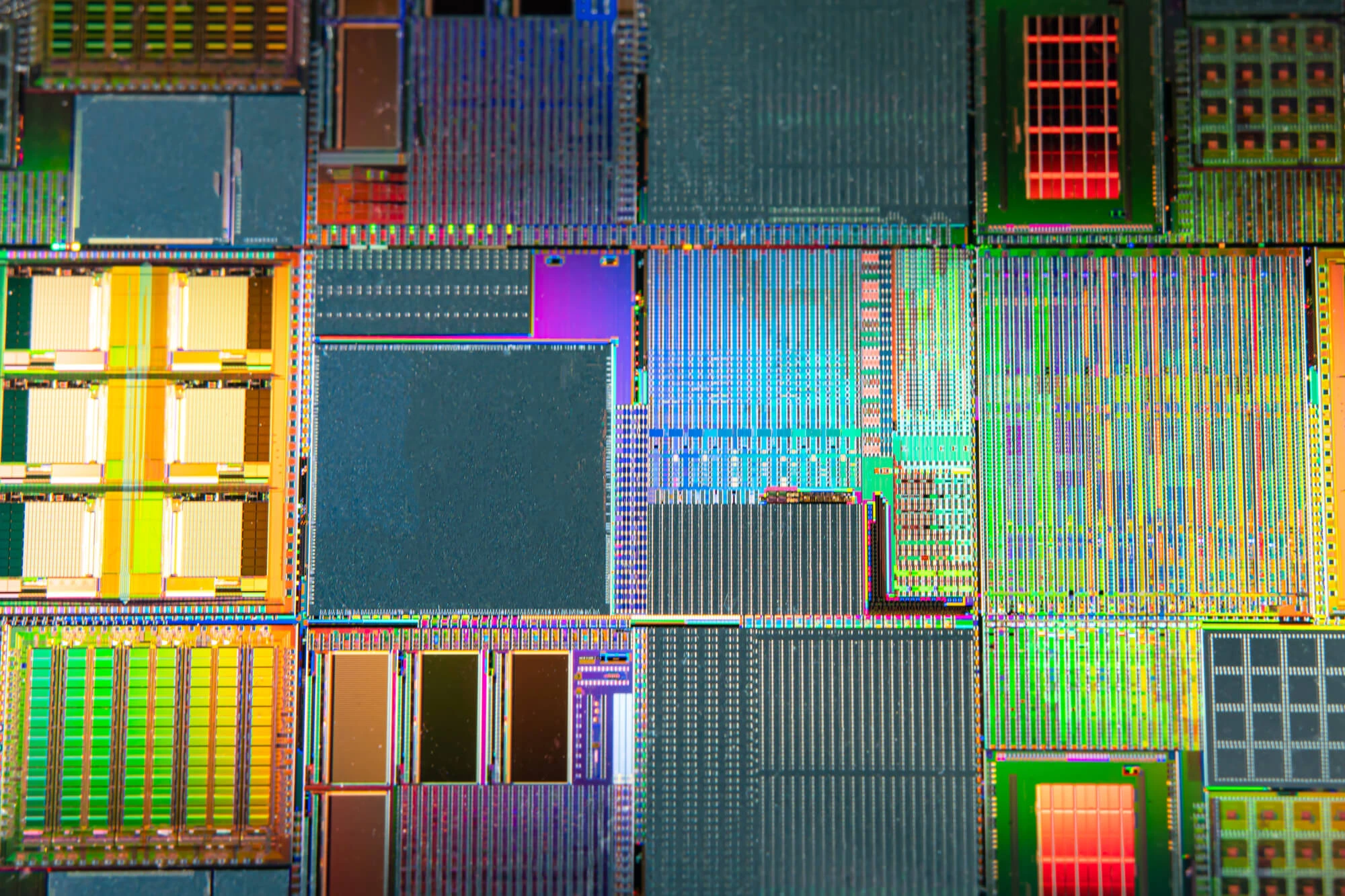
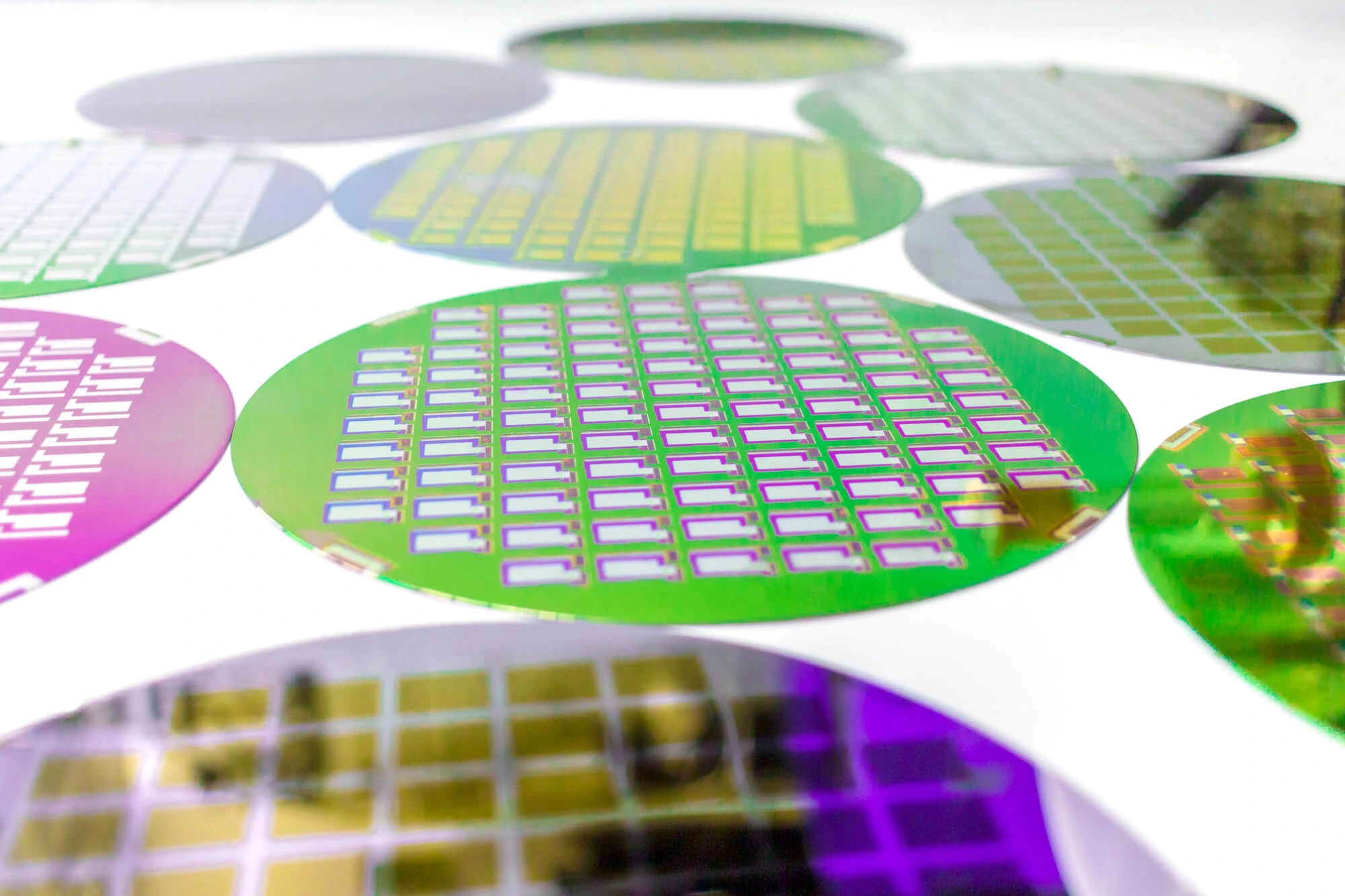
Explore the differences between 200mm, 300mm, and 450mm wafers in silicon wafer manufacturing. Learn how each size impacts cost, yield, and tool compatibility.
Read More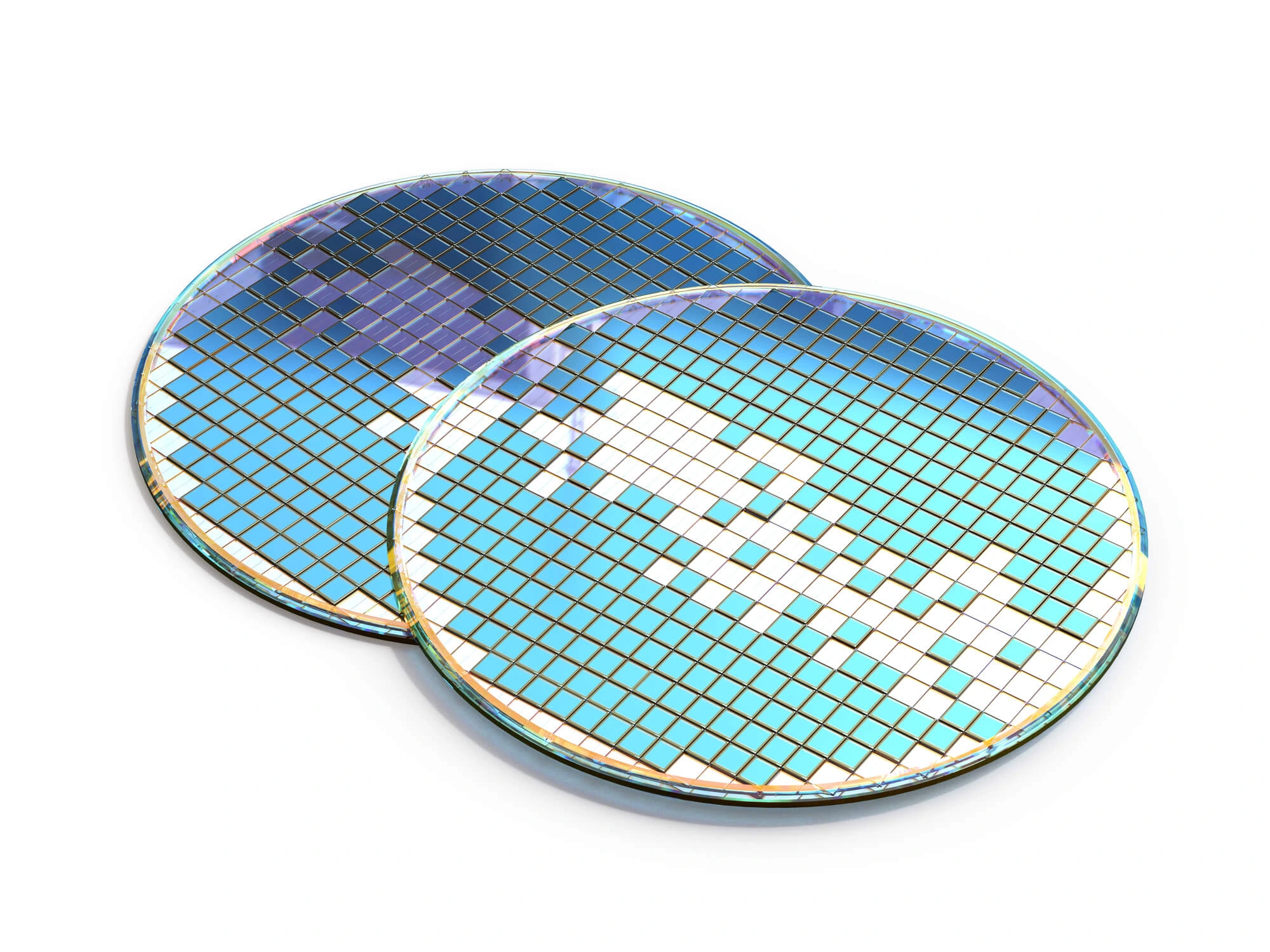
Understanding intrinsic carrier concentration is crucial during silicon wafer manufacturing. Learn key equations, reference values, and factors affecting performance.
Read More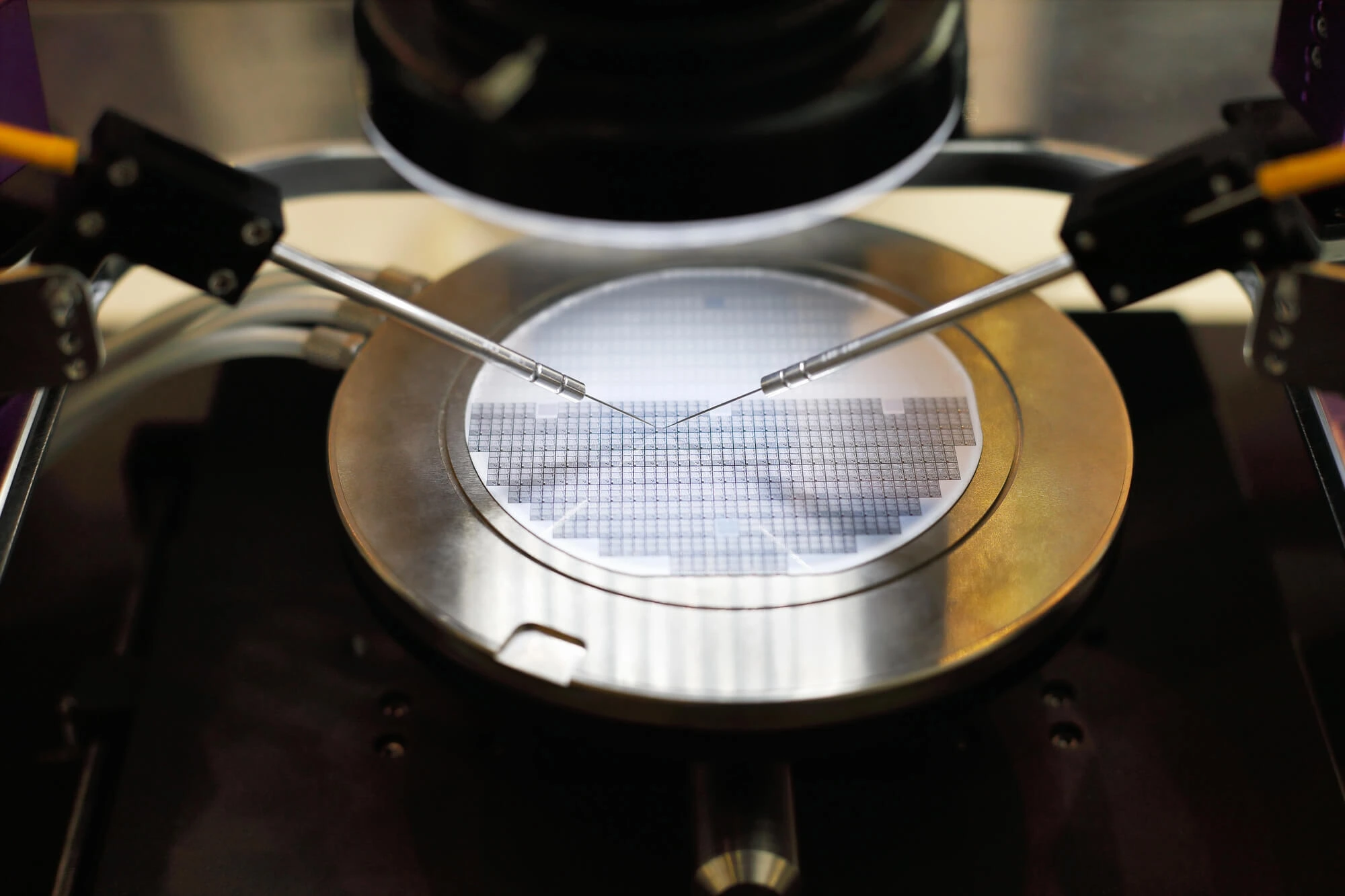
Sourcing from silicon wafer manufacturers? Use this essential procurement checklist to evaluate diced wafers and wafer-level die—covering specs, quality, packaging, and more.
Read More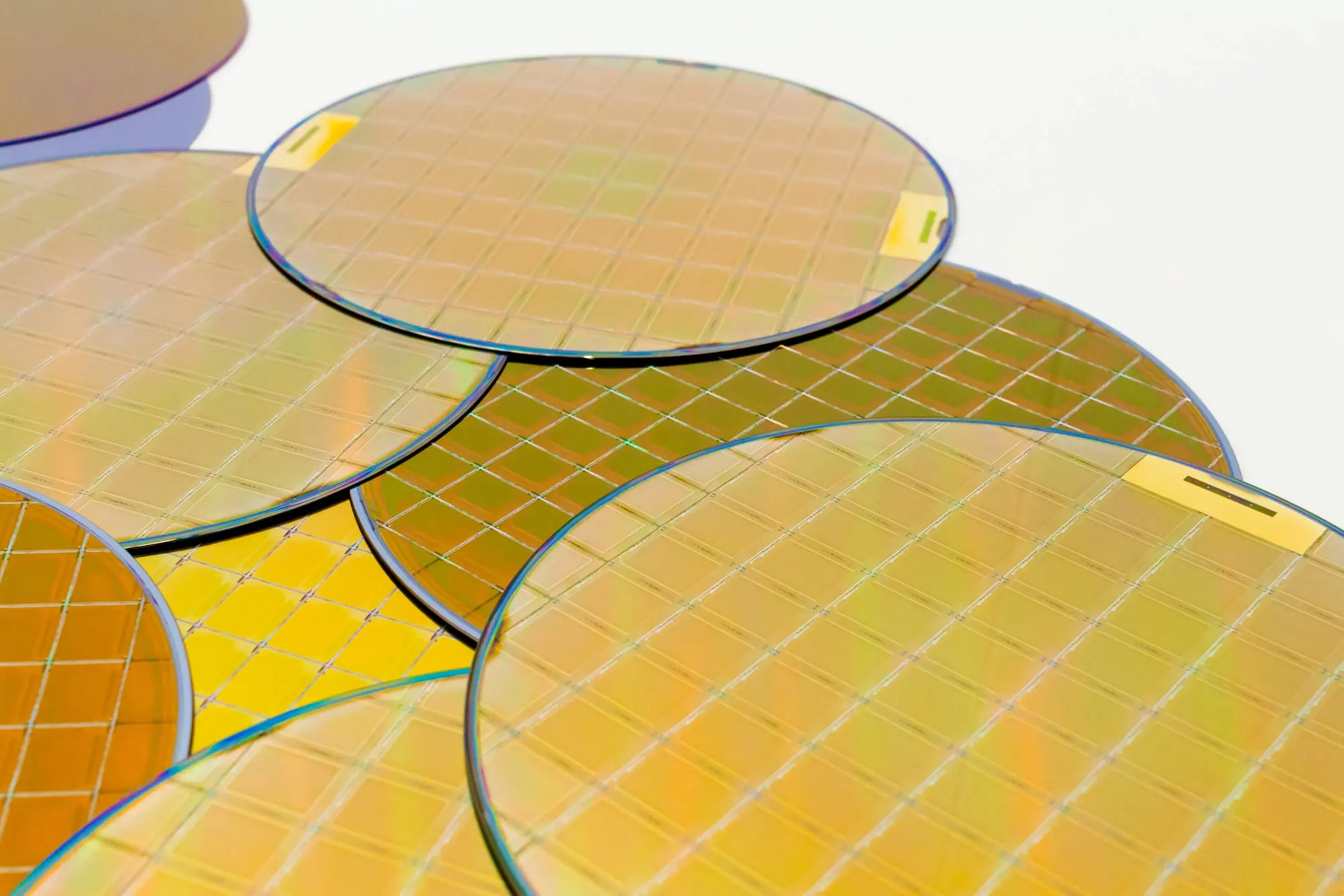
Learn the atomic number and composition of indium phosphide (InP) and why it makes an InP wafer vital for high-speed electronics and photonics applications.
Read More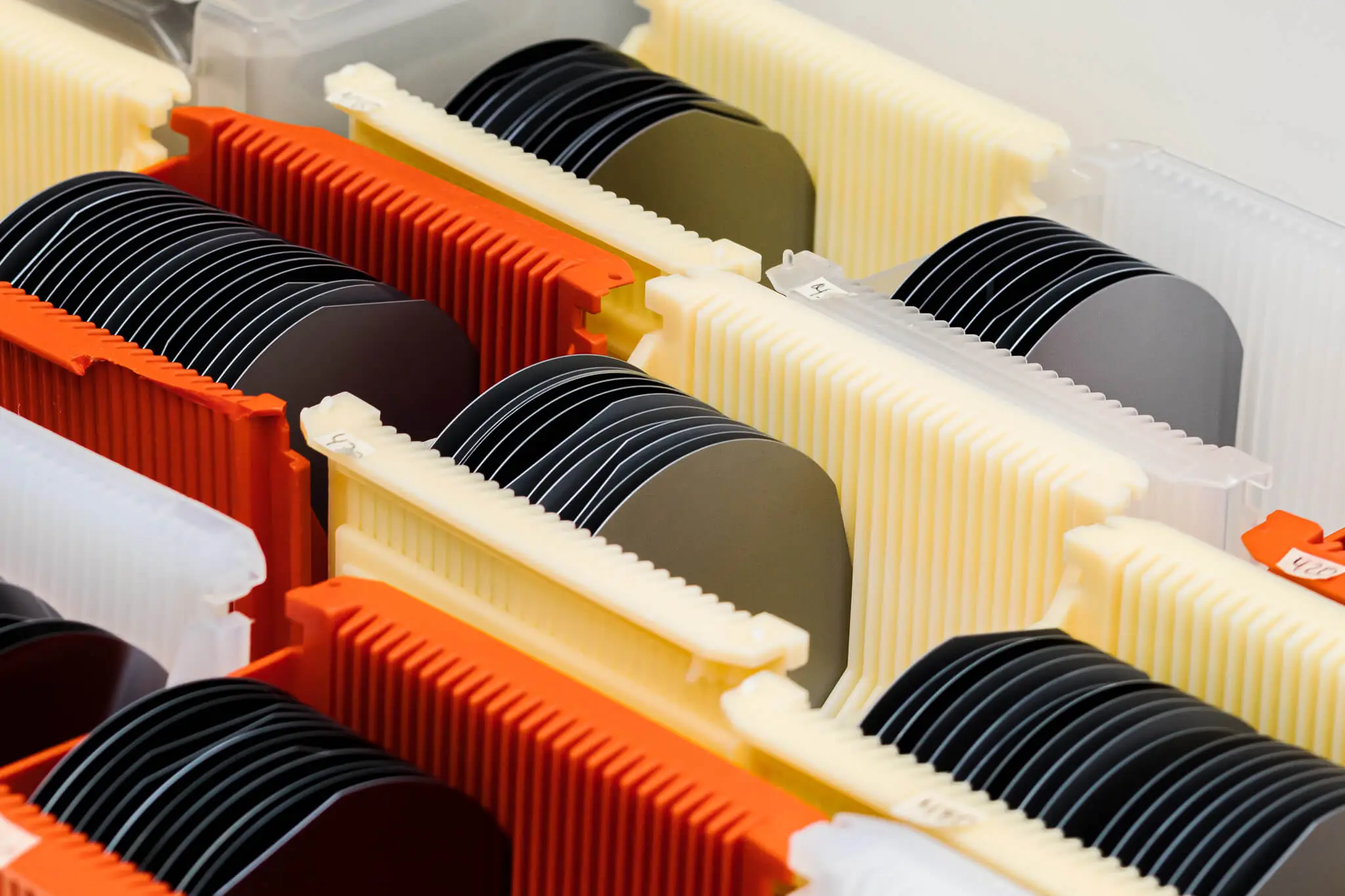
For some time now, wafer manufacturers have been dealing with fluctuating silicon prices. Here are some effective strategies to face rising costs and stay afloat.
Read More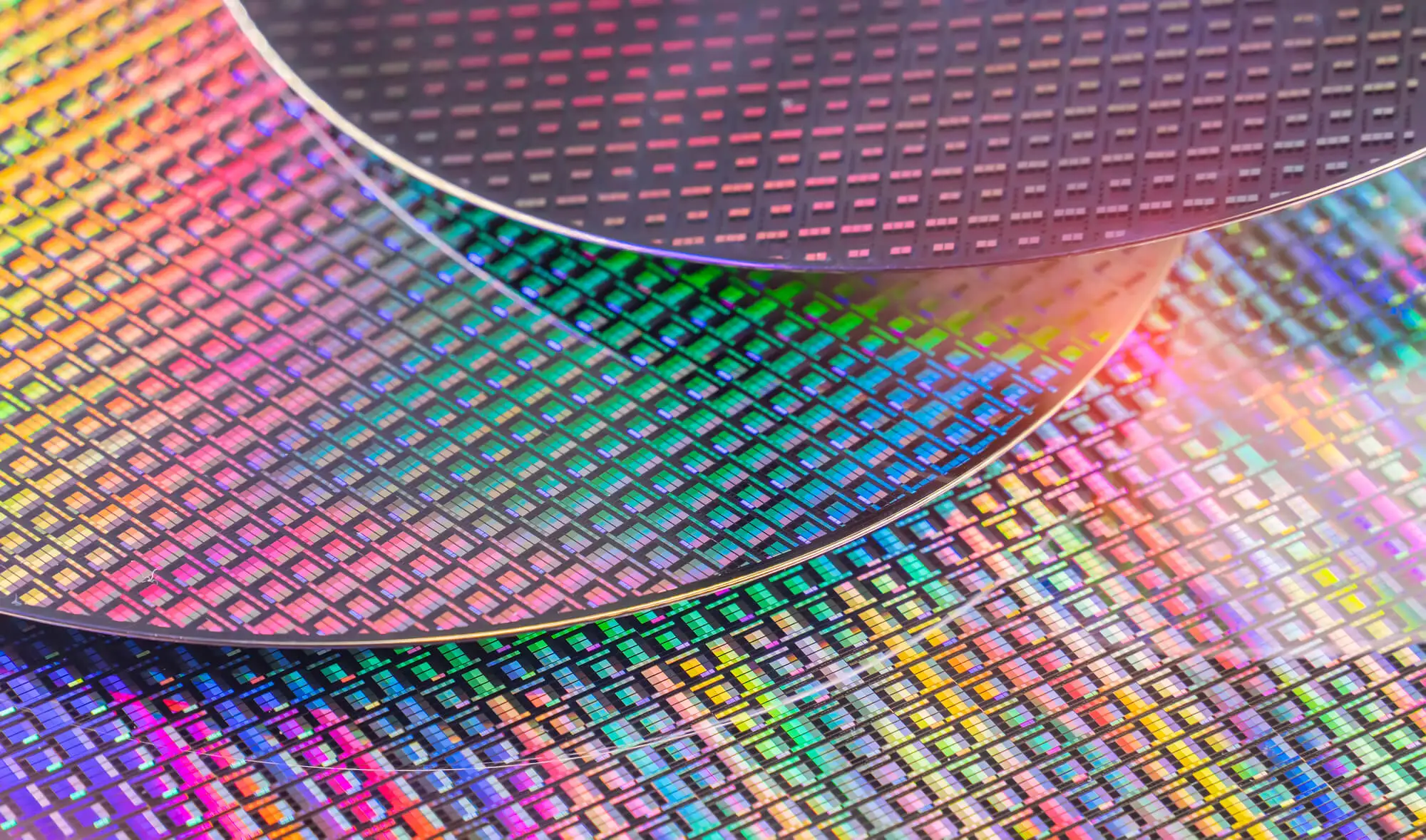
Discover how carrier and handle wafers are used for processing ultra-flat wafers to achieve mechanical stability, high yield, and advanced device performance.
Read More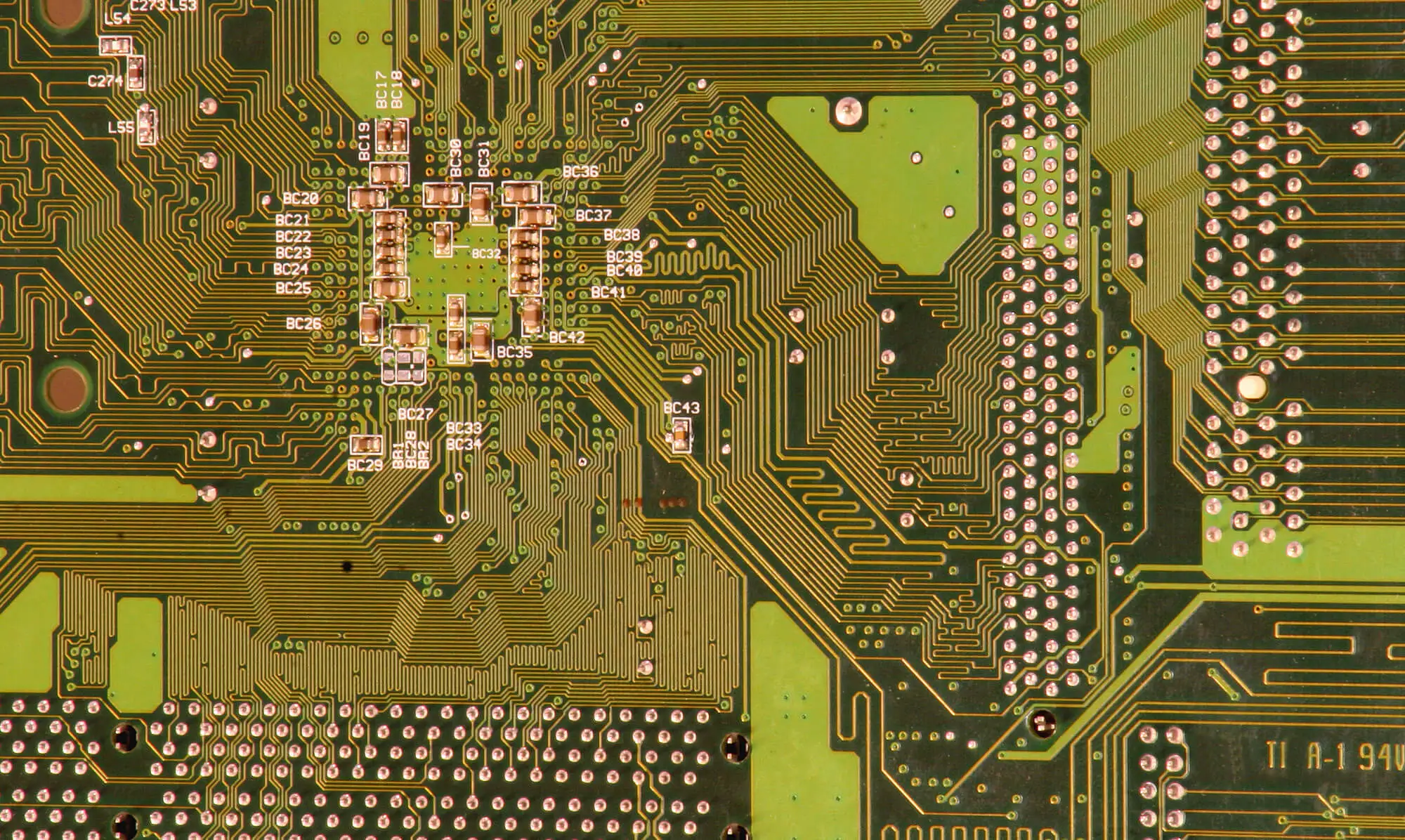
Discover how thin silicon wafers enable precision, speed, and miniaturization in MEMS fabrication for sensors, actuators, and next-gen microdevices.
Read More
Explore the essentials of silicon wafer processing—learn about wafer types and grades like Prime, Test, and Dummy, and get expert tips on choosing the right one for you.
Read More
Laser marking is a key step during semiconductor manufacturing—but there’s more than one way to do it. Annealing and etching are two key methods, and here are their differences.
Read More